Table of Contents
Introduction — The Mystery of Lasting Pain
Why does pain sometimes linger long after an injury has healed? Why can a light touch, the brush of clothing, or even a gentle hug feel unbearable? For many living with chronic pain, the answer lies in a process called central sensitization.
You may have heard the term before but never had it fully explained. Central sensitization is real, biological, and measurable — not imagined. It’s one of the most important discoveries in modern pain science.
What Is Central Sensitization?
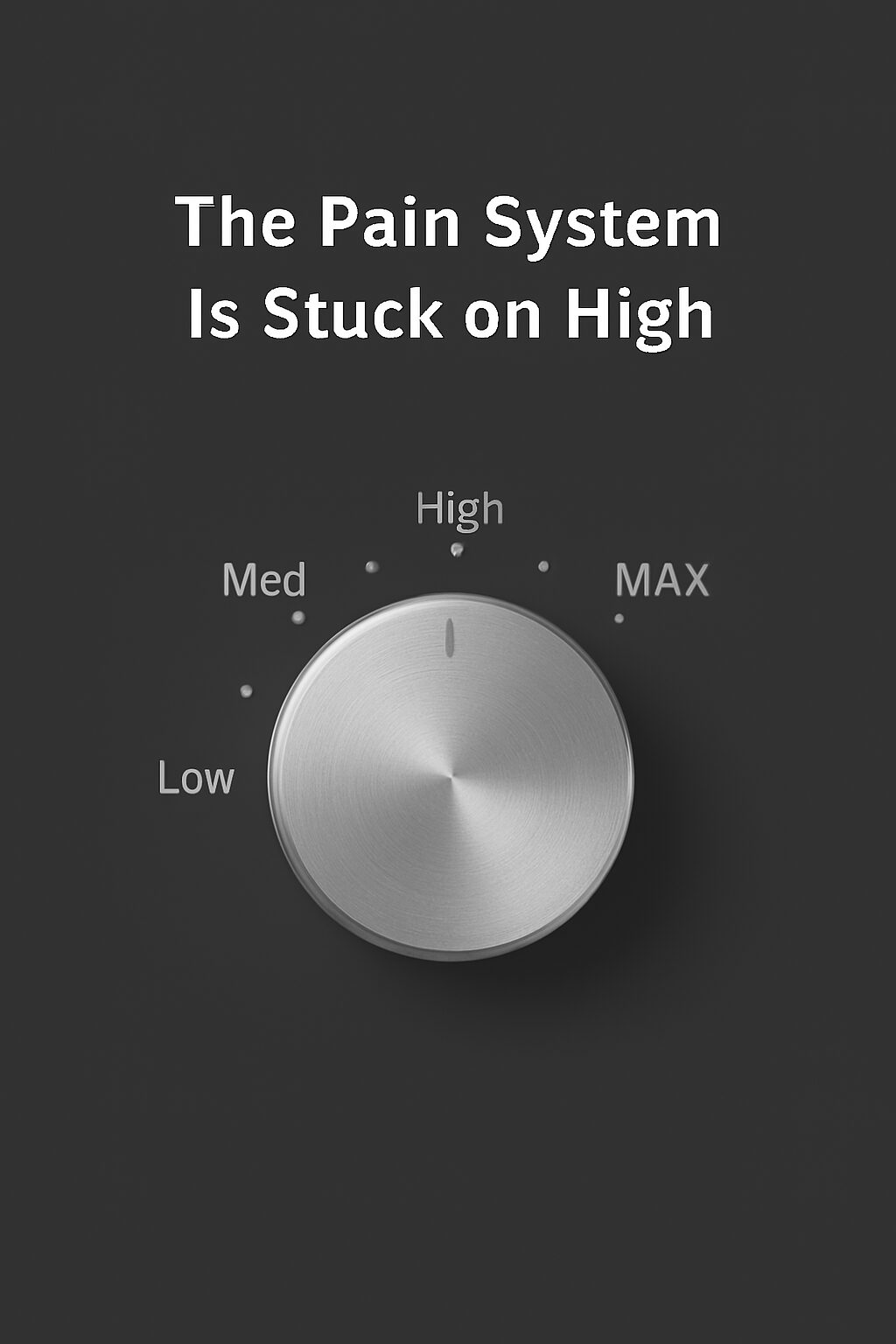
At its core, central sensitization means the nervous system becomes overly sensitive and hyper-reactive.
- Pain pathways in the spinal cord and brain are put on “high alert.”
- Normal signals — like touch or mild temperature changes — are amplified into pain.
- Once this loop starts, the nervous system can stay sensitized even without ongoing injury.
A simple way to picture it: imagine a car alarm that once only went off during a break-in. With sensitization, that same alarm now blares when the wind blows or someone brushes against the car.
The Science in the Spinal Cord
Think of your nervous system like a car alarm. Normally, it only goes off if someone breaks in. But in central sensitization, the alarm gets overly sensitive — so now it blares when the wind blows or someone brushes against the car. That’s what happens inside your spinal cord: normal signals start setting off pain alarms.
Scientists can actually see this happening at the cellular level. Pain signals repeatedly activating the spinal cord turn on special receptors (called NMDA receptors) that amplify the message. This process, sometimes called ‘spinal wind-up,’ makes each signal louder than the last.
Inside the spinal cord, nerve cells aren’t working alone. They’re supported by glial cells, which usually play a housekeeping role — keeping the nervous system balanced and healthy. But under repeated pain stress, glia switch roles. They begin to release chemical messengers, including glutamate, that stir the nerves into even greater reactivity. Instead of calming the system, they end up fanning the flames, making the pain circuits even more excitable.
All of this results in a spinal cord that should calm down but instead keeps escalating, fanning the flames of pain sensitivity.
Brain Changes: More Than Just Thinking
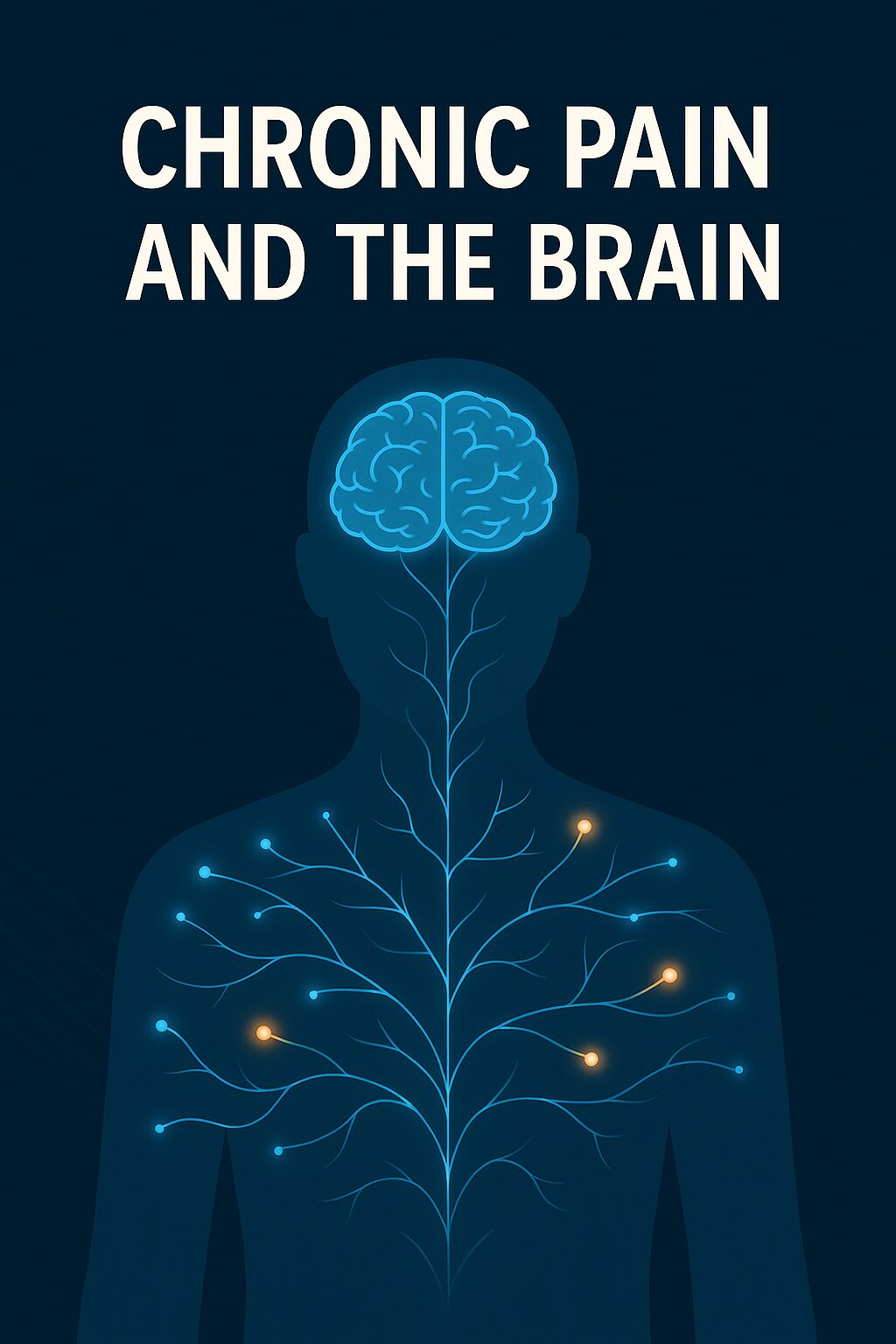
These changes don’t stop at the spinal cord. They spread upward into the brain.
And here’s something important to remember: the brain isn’t just for thinking. It’s the command center for the entire body — regulating hormones, blood pressure, digestion, and sleep.
When pain pathways in the brain become sensitized — a process called kindling — they don’t just amplify pain signals. They can disrupt these broader systems, leaving people with ripple effects that go far beyond the original pain. Brain imaging confirms this: in people with chronic pain, pain-processing regions light up more strongly even without ongoing injury.
Pain Beyond Imagination
One of the most validating truths about central sensitization is this:
People with central sensitization are experiencing sensations that those without it simply cannot imagine.
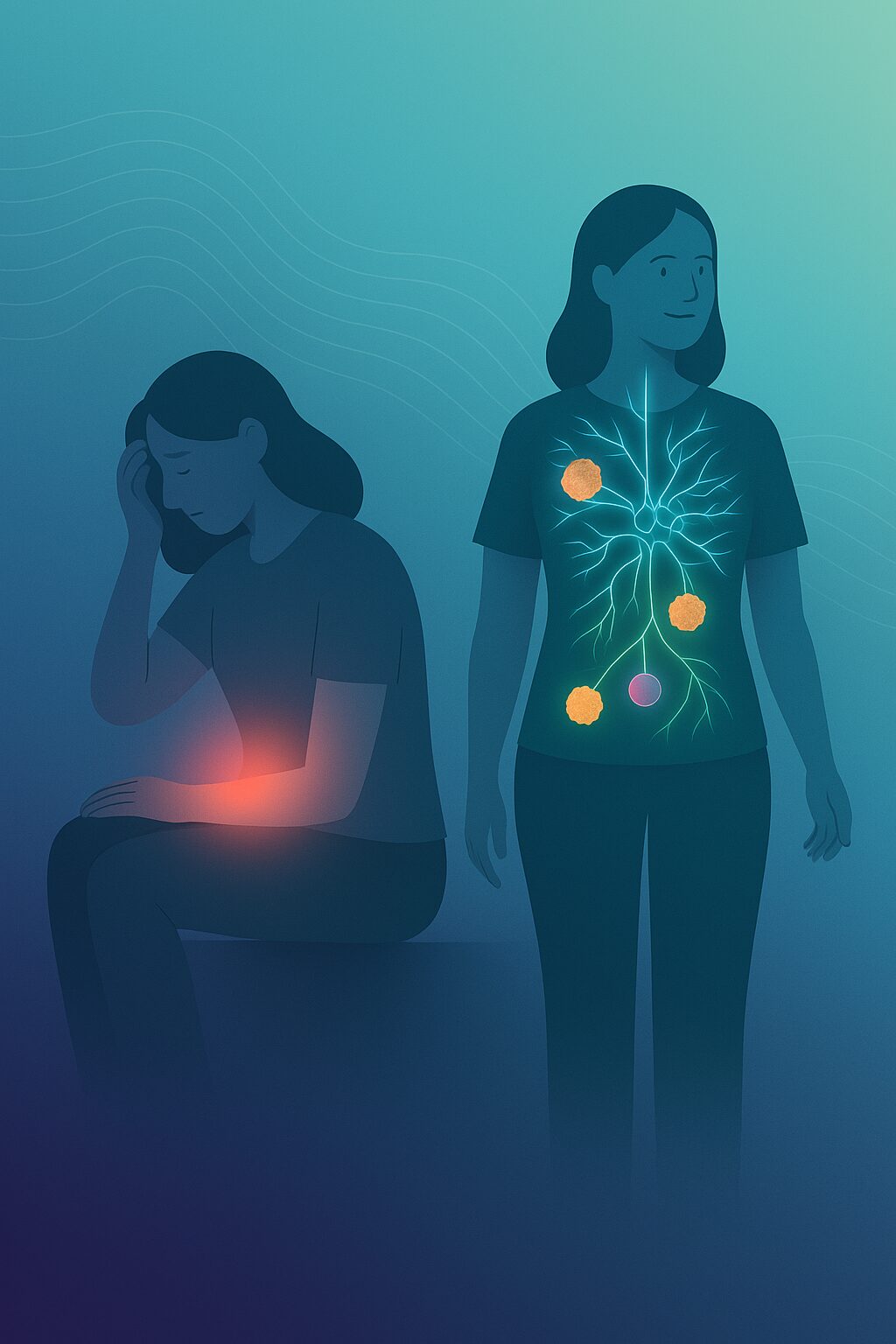
For someone without sensitization, a handshake or a shirt seam is neutral. For someone with sensitization, those same inputs can feel sharp, burning, or electric.
This isn’t exaggeration. It’s not weakness. It’s the biology of an amplified nervous system. And it’s one reason why people with chronic pain so often feel misunderstood or dismissed.
More Than Pain: Systemic Effects
While pain is the hallmark, central sensitization rarely exists in isolation. It interacts with other body systems:
- Sleep → poor sleep lowers pain thresholds, which further fuels sensitization.
- Immune system → inflammation primes nerves to stay hyperactive.
- Endocrine system → stress hormones like cortisol keep the body in a heightened state.
- Energy systems → overactivation drains cellular energy, contributing to fatigue.
This is why so many people with chronic pain also describe exhaustion, brain fog, or hormonal imbalance.
Can the Nervous System Calm Down?
Yes — and that’s the hopeful part. The same plasticity that makes the nervous system hypersensitive also gives it the capacity to reset.
Research and clinical experience suggest progress is possible by:
- Calming the nervous system through relaxation, breathwork, and pacing
- Reducing inflammation with nutrition, sleep, and medical care
- Supporting hormonal balance and recovery
- Gradually retraining pain pathways through safe movement and desensitization
It’s rarely quick, but step by step the nervous system can relearn balance.
Conclusion
Central sensitization explains why chronic pain feels so different from ordinary pain. It’s not “in your head” — it’s a biological amplification process involving the spinal cord, brain, glial cells, immune signaling, and more.
For those living with it, the pain is real, the sensations are unimaginable to outsiders, and the science is finally catching up to validate that truth.
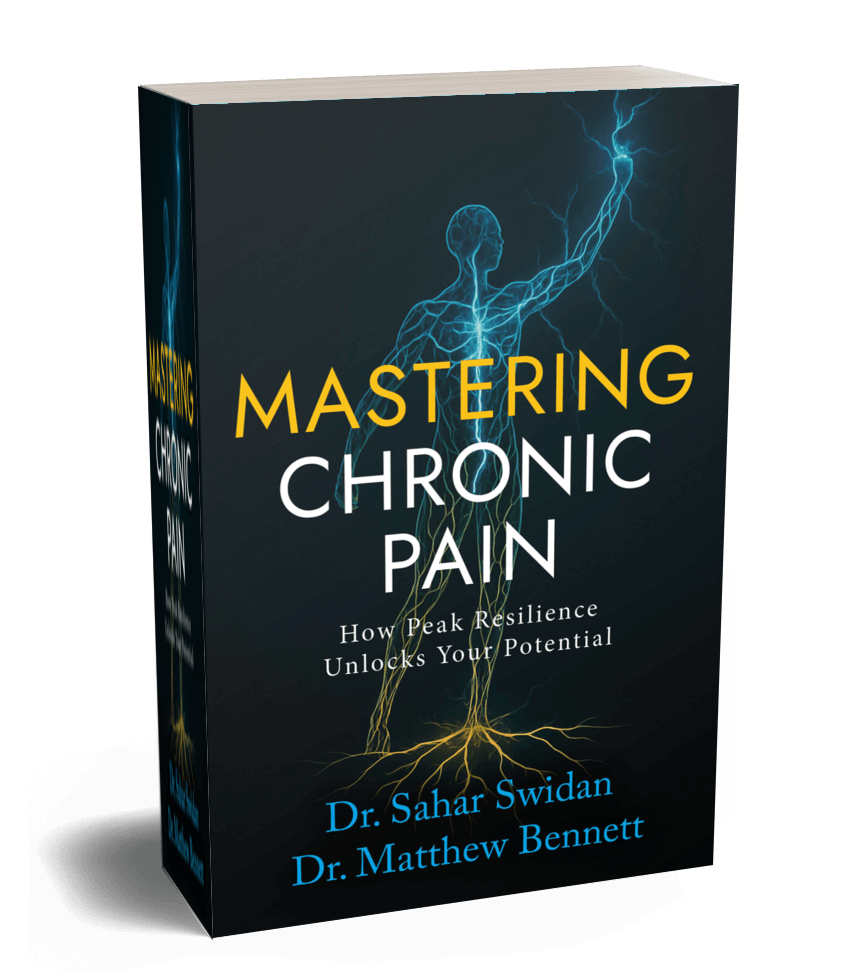
At NoceViva, we believe in shifting the narrative from dismissal to understanding. That’s why we wrote Mastering Chronic Pain — to help explain conditions like central sensitization and offer a systems-based path forward.
📘 Mastering Chronic Pain is available now on Amazon.
Learn more at www.NoceViva.com.
This information is for educational purposes only and does not constitute medical advice. Please consult your healthcare provider before making changes to your care.
FAQ Section
Q: What is central sensitization?
A: Central sensitization is when the nervous system becomes hypersensitive, amplifying normal signals into pain. It explains why chronic pain feels so different from acute pain.
Q: What are common symptoms of central sensitization?
A: Symptoms include widespread pain, sensitivity to touch, pain that lingers after injuries heal, fatigue, sleep disturbance, and heightened response to stress.
Q: Is central sensitization permanent?
A: No. The nervous system can recalibrate. While central sensitization can persist without treatment, research shows the brain and spinal cord can relearn balance through targeted care.
Q: How is central sensitization treated?
A: Treatment is individualized and may include calming the nervous system, reducing inflammation, regulating hormones, and retraining pain pathways with gradual activity.