Table of Contents
- 1 Why Symptom Management Fails
- 2 The Hidden Drivers of Chronic Pain
- 3 The Gut–Brain Connection Nobody Talks About
- 4 When the Nervous System Rewires Itself
- 5 The Neuroplasticity Revolution
- 6 Why One-Size-Fits-All Medicine Fails
- 7 The Path Forward: Your Personal Resilience Code
- 8
- 9 Frequently Asked Questions About Rewiring Chronic Pain
Introduction
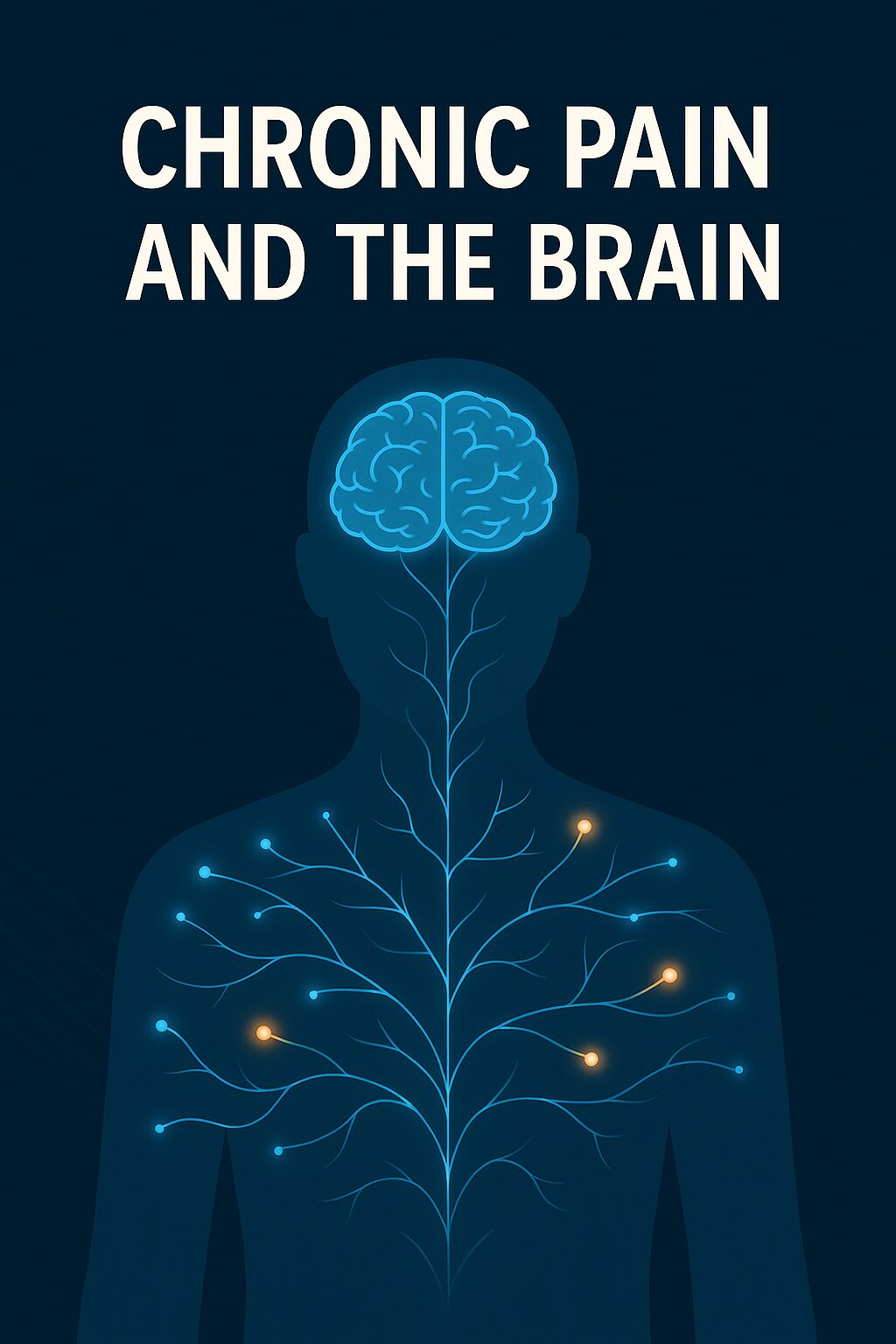
Rewiring chronic pain rewiring is no longer just a hopeful phrase—it’s the focus of modern neuroscience. For millions living with ongoing pain, the traditional model of managing symptoms with medications or procedures has left them frustrated. Appointments pile up, scans look “normal,” and yet the burning, stabbing, or aching never goes away.
But what if chronic pain isn’t simply a signal from damaged nerves? What if it’s the result of interconnected systems—nervous, immune, hormonal, and even digestive—that can be retrained?
Why Symptom Management Fails
Imagine this cycle: a symptom appears, you treat it, it eases—then it comes back. You repeat the intervention, it works again, but only briefly. This “swimming upstream” approach is what happens when medicine focuses on symptoms while ignoring the drivers beneath them.
The reality is that chronic pain is rarely explained by damaged tissue alone. Instead, it reflects deeper dysfunction across multiple, interconnected systems.
The Hidden Drivers of Chronic Pain
Systemic Inflammation
Not all inflammation shows up as swelling or redness. Low-grade, smoldering inflammation can persist throughout the body, keeping tissues irritable and hypersensitive. This hidden inflammation often stems from the gut microbiome, environmental exposures, or unresolved stress responses.
Endocrine Disruption
The endocrine system, which regulates hormones, shifts under chronic stress. Cortisol rhythms flatten, sleep hormones lose their rhythm, and sex hormones decline. These shifts amplify pain perception and erode the body’s natural healing capacity.
Immune System Confusion
The immune system, designed to protect, may begin to misfire. Instead of attacking invaders, it sustains a state of chronic activation, further fueling inflammation and pain.
These three systems are not isolated. They communicate constantly, creating feedback loops that can either restore balance or entrench dysfunction.
The Gut–Brain Connection Nobody Talks About
Your gut does far more than digest food. It houses 70–80% of your immune system and produces 90% of the body’s serotonin, a neurotransmitter that influences mood, sleep, and pain perception. Through the vagus nerve, the gut speaks directly to the brain, sending signals that can calm or inflame the entire system.
When the gut microbiome is disrupted—by stress, poor diet, medications, or infection—it feeds a loop: stress inflames the gut, the gut amplifies stress signals, and the brain responds by further activating inflammation.
This explains why pain often persists long after an injury has healed. The problem isn’t always in the joint or nerve—it’s in the communication network itself.
When the Nervous System Rewires Itself
The nervous system is not fixed wiring. It is plastic, constantly adapting to input. Normally, this neuroplasticity helps us learn skills and recover from challenges. But in chronic pain, plasticity can backfire.
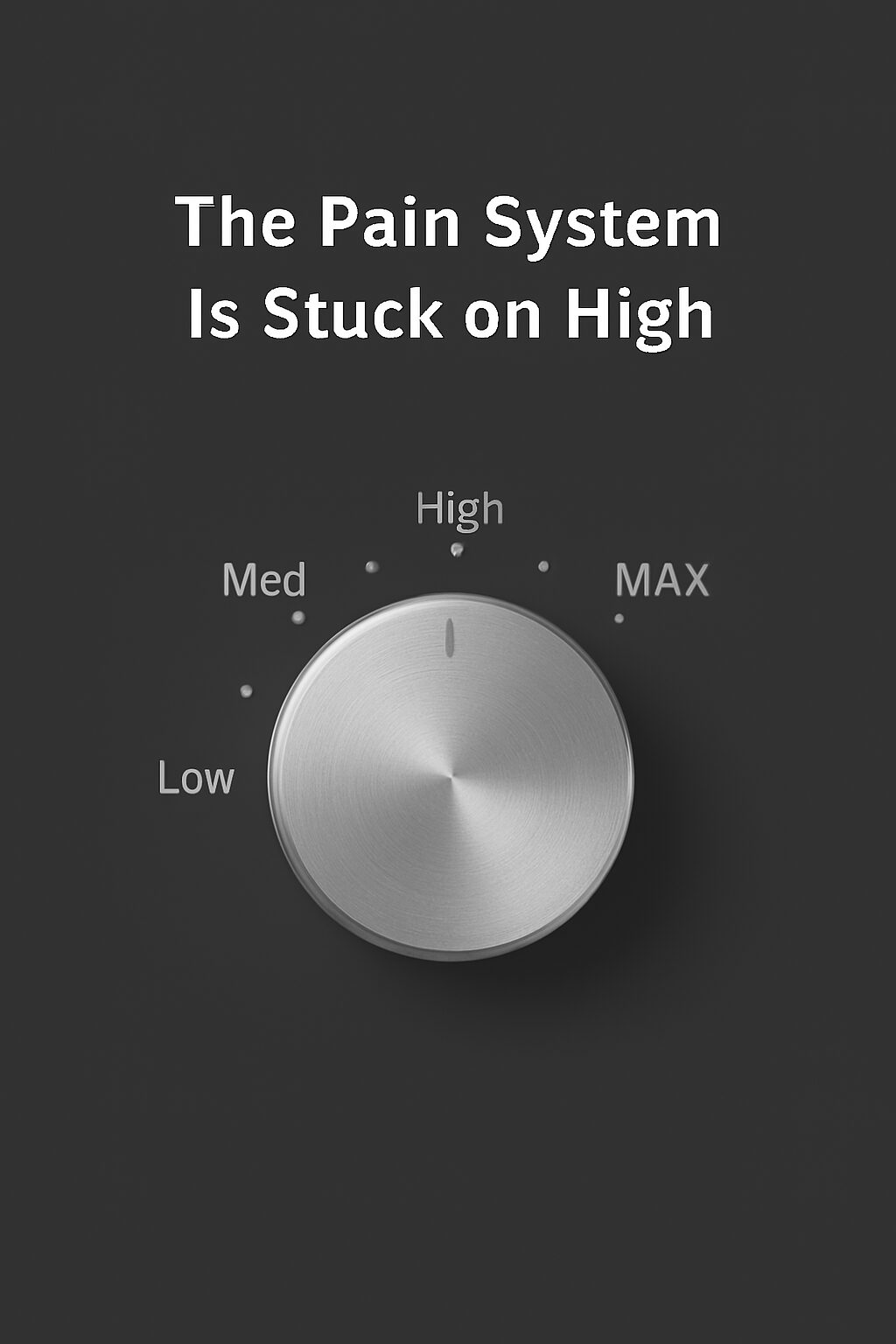
The nervous system becomes highly efficient at one unwanted task: generating pain. Brain imaging shows altered architecture—regions become hyperactive, and pain-calming pathways weaken. The fight-or-flight response stays locked on, rippling into sleep, digestion, and hormone balance.
Yet the same plasticity that entrenches pain also offers hope. If the nervous system can rewire itself toward pain, it can also rewire itself toward healing.
The Neuroplasticity Revolution
Rewiring chronic pain is not wishful thinking—it is neuroscience. By targeting the right systems in the right order, you can teach the nervous system new patterns. This creates ripples of healing that extend across inflammation, hormones, and immunity.
The key is to identify the lowest hanging fruit—the most disrupted system that can be shifted first. For some, that may be calming inflammation through nutrition. For others, it may be addressing stress responses or restoring sleep rhythms. Small, strategic changes can create momentum that resets the entire pain network.
Why One-Size-Fits-All Medicine Fails
No two people experience chronic pain in the same way. Your microbiome, stress patterns, hormone profile, and immune triggers are unique. Protocols that assume all chronic pain is the same often fail.
This is why some patients improve dramatically with one intervention while others see no change. The solution is not a universal protocol but a personalized systems map—understanding which drivers are active in your body and working with them instead of against them.
The Path Forward: Your Personal Resilience Code
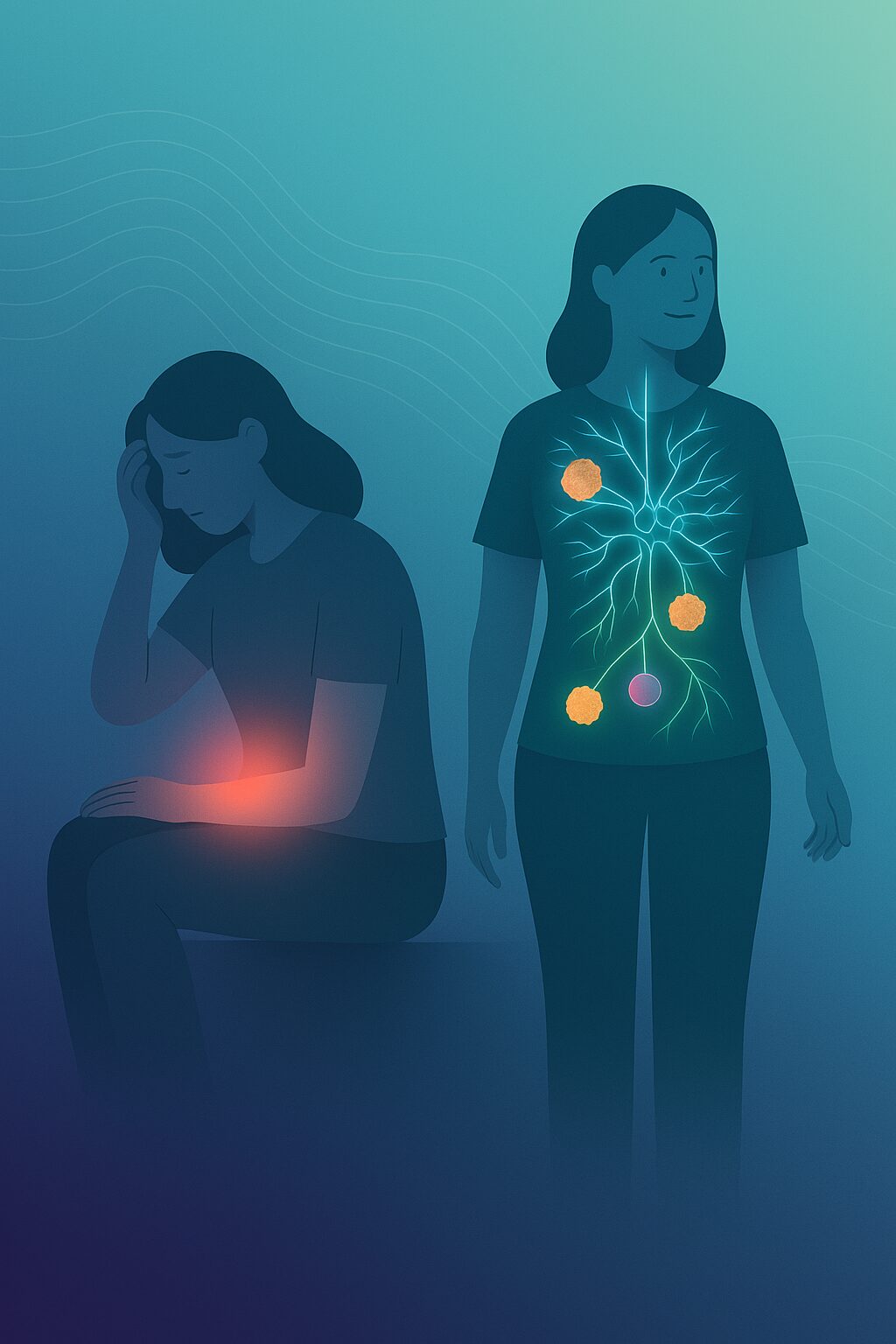
Consider Sarah, who endured years of failed interventions. Once she understood her pain as a systems problem, she discovered her gut inflammation was amplifying her nerve pain, her disrupted sleep was locking her nervous system into hypervigilance, and environmental triggers were fueling inflammation.
Her turning point came when she realized her nervous system’s plasticity wasn’t her enemy but her greatest ally. With small, targeted steps, she began to retrain her biology. The same systems that trapped her in pain became the foundation of her recovery.
Conclusion
You are not broken. Chronic pain is real, and so is your capacity for change. Inflammation can be quieted. Hormones can be rebalanced. Neural pathways can be retrained.
The question is not whether healing is possible—the question is where to begin.
📘 To learn how systems biology unlocks new paths to recovery, explore Mastering Chronic Pain, available now on Amazon.
Take the quiz: www.NoceViva.com/start
This information is for educational purposes only and does not constitute medical advice. Please consult your healthcare provider before making changes to your care.
Frequently Asked Questions About Rewiring Chronic Pain
Q: What does it mean to “rewire” chronic pain?
A: Rewiring chronic pain refers to using the brain and nervous system’s natural plasticity to reduce hypersensitivity. Just as the nervous system can adapt into a pain-amplifying state, it can also learn new, healthier patterns that calm signals and restore balance.
Q: Is chronic pain only caused by damaged nerves?
A: No. Research shows that chronic pain often persists even without ongoing tissue damage. It involves systemic drivers such as inflammation, immune activity, hormonal shifts, and nervous system sensitization.
Q: How does the gut affect chronic pain?
A: The gut communicates directly with the brain through the vagus nerve and influences immune and hormonal responses. Disruptions in the gut microbiome can amplify inflammation and stress responses, creating feedback loops that worsen pain.
Q: Can lifestyle changes really help with chronic pain?
A: Yes. While lifestyle changes are not a cure-all, targeted steps like improving sleep, reducing inflammation, and regulating stress responses can shift systemic drivers and reduce pain intensity over time.
Q: Why don’t one-size-fits-all treatments work for chronic pain?
A: Each person’s biology is unique. Chronic pain reflects different combinations of nervous system, immune, and hormonal dysfunctions. Personalized approaches that identify and address the most disrupted systems are often more effective than generic protocols.