Table of Contents
Introduction
Chronic pain sleep disruption is one of the most overlooked drivers of suffering. For millions, the nights are as difficult as the days—restless tossing, frequent awakenings, or full-blown sleep disorders that leave them drained before morning even begins. What often goes unnoticed is how these sleep problems don’t just coexist with pain—they amplify it. Poor sleep scrambles hormones, fuels inflammation, and heightens nerve sensitivity, creating a cycle that makes pain harder to escape.
Science now shows that sleep is not passive. It is one of the body’s most active healing states, regulating hormones, restoring the nervous system, and recalibrating immunity. When these nightly processes are cut short, pain pathways remain overactive. Understanding this cycle reveals why pain feels worse after poor sleep—and why sleep should be seen as one of the most powerful levers in managing chronic pain.
When Sleep Becomes a Pain Amplifier
Healthy sleep is a carefully choreographed sequence. Cortisol should fall at night, while melatonin rises to guide the body into deeper stages. In those stages, tissues repair, the brain clears metabolic waste, and the immune system regains balance.
But when sleep is disrupted, this choreography unravels. Cortisol remains erratic, melatonin never rises high enough, and the sympathetic nervous system—the “fight or flight” response—stays engaged. Instead of slipping into restoration, the body spends the night in a low-grade state of vigilance. Pain signals are amplified, nerves remain sensitized, and the healing that should take place never fully occurs.
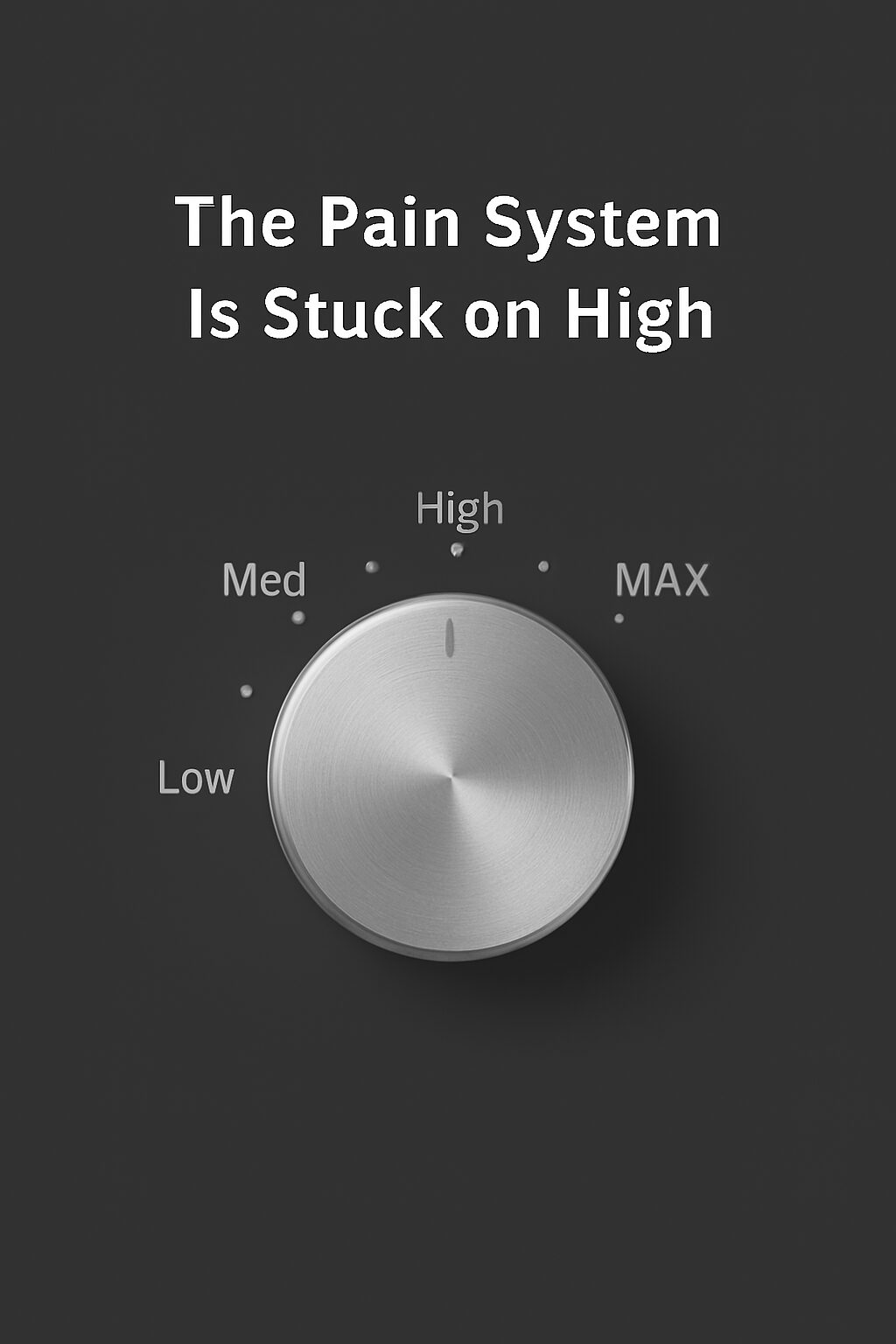
The result is more than grogginess. It is a biological environment where pain pathways remain stuck in the “on” position.
Chronic Pain Sleep Disorders
For many people with chronic pain, sleep problems go far beyond the occasional restless night. Disorders are not just common—they’re disproportionately prevalent.
-
Insomnia is one of the most common chronic pain sleep disorders. They often reinforce each other. Pain interrupts sleep, and fragmented sleep magnifies pain sensitivity the next day.
-
Sleep apnea and pain share a powerful connection. Obstructive sleep apnea fragments sleep architecture and lowers oxygen levels, fueling inflammation that worsens pain perception.
-
Restless Legs Syndrome (RLS) keeps the nervous system from ever fully downshifting into deep sleep, leaving the body in a cycle of micro-arousals.
-
Circadian rhythm disturbances—from stress, shift work, or irregular schedules—throw off the body’s timing system, leaving cortisol and melatonin misaligned.
These disorders don’t simply make people tired; they alter the biology of pain itself. Oxygen fluctuations, inflammatory cascades, and hormone disruption all converge to worsen the chronic pain experience.
The Brain on Sleeplessness
Sleep is as much for the brain as it is for the body. During deep sleep, the brain’s glymphatic system flushes out waste products, including inflammatory molecules. Without this nightly cleansing, irritants build up, fueling neuroinflammation and keeping pain pathways sensitized.
Functional imaging studies reveal that in sleep-deprived states, regions of the brain that normally dampen pain signals go quiet, while alarm circuits light up. Even mild discomfort can feel magnified, because the brain loses its ability to filter and control incoming pain signals.
This explains why after just one night of poor sleep, pain thresholds drop. The brain becomes primed for overreaction, turning ordinary sensations into sources of distress.
Hormones, Immunity, and the Sleep-Pain Connection
Sleep is the nightly reset for the endocrine and immune systems. When that reset is lost, the fallout is widespread:
-
Cortisol—the stress hormone—should peak in the morning and fall at night. With poor sleep, its rhythm becomes erratic, keeping the body in a constant stress state.
-
Melatonin, which signals the body it’s time to rest, is blunted by disrupted sleep or late-night light exposure. Without melatonin’s surge, deep sleep remains out of reach.
-
Immune function shifts toward a pro-inflammatory state. Cytokines that should calm overnight remain elevated, fueling the very processes that sustain pain.
This is why poor sleep doesn’t just worsen pain—it increases fatigue, prolongs recovery, and makes people more susceptible to illness. The entire system is thrown off balance.
The Pain-Sleep Feedback Loop
The cruelest part of this relationship is its self-reinforcing nature. Pain fragments sleep. Fragmented sleep fuels inflammation, hormonal chaos, and nervous system hypersensitivity. That heightened sensitivity magnifies pain the next day.
The cycle is not simply linear—it strengthens over time. Each night of poor sleep deepens the biological footprint of pain, making the nervous system more efficient at generating pain signals and less equipped for resilience.
Why Quick Fixes Fall Short
Traditional medicine often separates pain and sleep into different problems. Sedatives may help a person fall asleep, but they don’t restore deep, regenerative stages. Pain medications may blunt discomfort, but they don’t realign cortisol, melatonin, or immune rhythms.
This “patchwork” approach overlooks the systems-level reality: sleep and pain are not separate. They are deeply intertwined, each shaping the biology of the other.
A Systems View of Sleep and Pain
From a systems biology perspective, the pain-sleep relationship is not mysterious—it’s expected. The nervous system, endocrine system, and immune system communicate constantly. When sleep is disrupted, the signals from these systems shift toward hypervigilance and inflammation.
The key insight: restoring sleep is not just about comfort. It is about recalibrating the body’s deepest control systems.
-
Calming the nervous system allows the body to exit fight-or-flight and enter restorative states.
-
Realigning cortisol and melatonin restores the body’s natural circadian rhythm.
-
Protecting deep sleep reactivates the brain’s nightly cleansing and immune recalibration.
Even small shifts—like stabilizing sleep routines, improving light exposure, or addressing apnea—can ripple outward, reducing systemic inflammation and lowering pain sensitivity over time.
Conclusion
Prioritizing chronic pain sleep health is one of the most powerful tools for resilience. Yet too often, sleep problems are dismissed as side effects instead of recognized as amplifiers of pain.
By understanding the hidden cycle between disrupted sleep and amplified pain, people can begin to see the pathway toward resilience. Cortisol can be steadied, melatonin can rise again, and the nervous system can downshift into recovery. Every improvement in chronic pain sleep health is more than rest—it is recovery in action.
📘 To explore how systems-based healing reshapes the pain experience, read Mastering Chronic Pain—available now on Amazon.
Take the quiz: www.NoceViva.com/start
This information is for educational purposes only and does not constitute medical advice. Please consult your healthcare provider before making changes to your care.