Table of Contents
- 0.1 Introduction
- 0.2 What Is Postherpetic Neuralgia?
- 0.3 Traditional View vs. Emerging Science
- 0.4 The Blood–Spinal Cord Barrier: A New Piece of the Puzzle
- 0.5 Who Is at Risk for PHN?
- 0.6 What About Prevention?
- 0.7 Why PHN Pain Feels Different
- 0.8 PHN Treatment Options
- 0.9
- 0.10 A Systems-Based Approach
- 0.11
- 0.12 Can PHN Improve?
- 0.13
- 0.14 Conclusion
- 1 Frequently Asked Questions About Postherpetic Neuralgia
Introduction
For most people, shingles is painful but temporary. Yet for some, the pain doesn’t end when the rash fades. Instead, it lingers for months—or even years—in a condition called postherpetic neuralgia (PHN), a form of chronic nerve-related pain after shingles. Understanding why postherpetic neuralgia develops—and how to manage it—starts with what’s happening inside the nervous system and its protective barriers.
What Is Postherpetic Neuralgia?
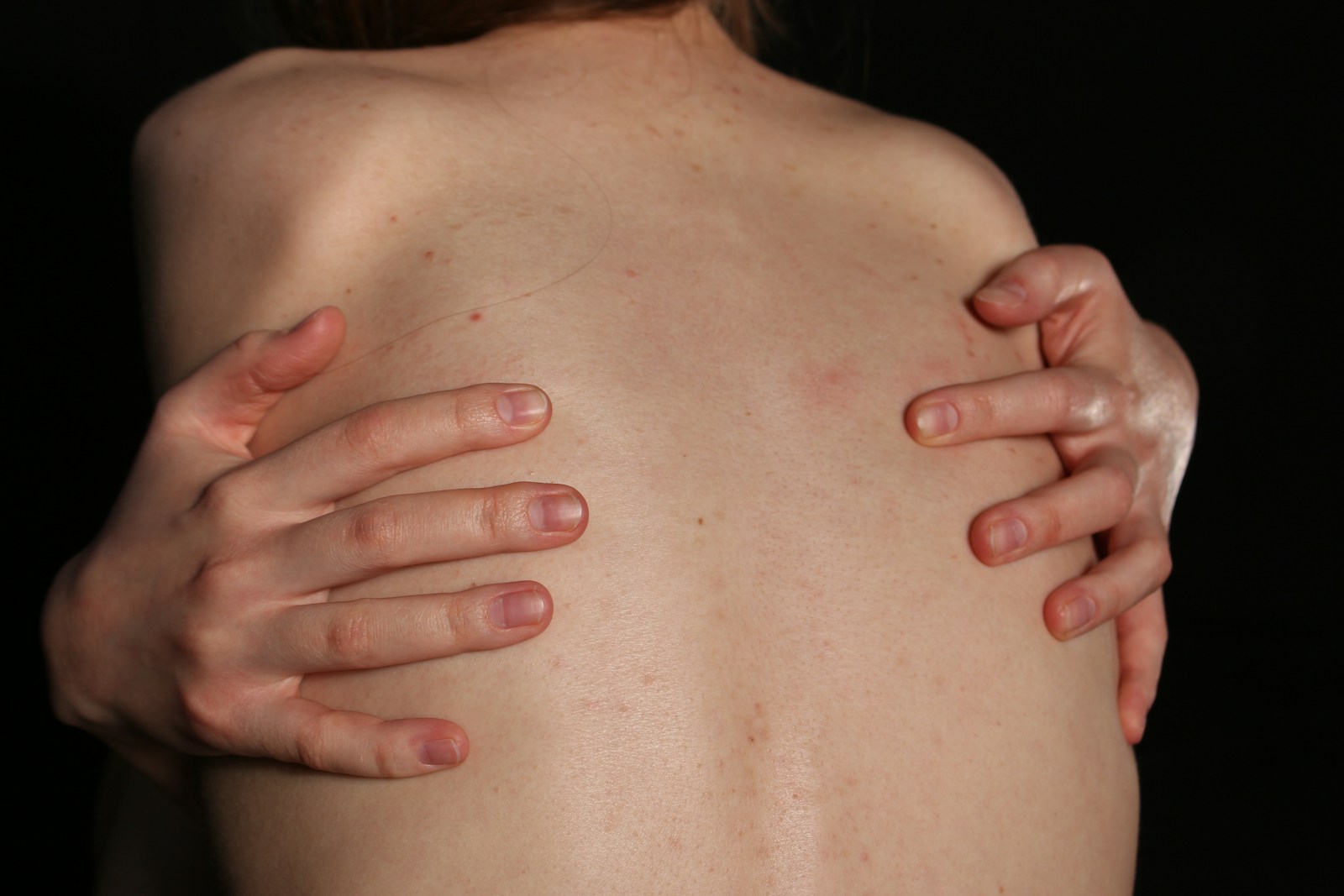
Postherpetic neuralgia (PHN) is persistent pain in the area where a shingles rash occurred, lasting ≥3 months after the rash heals. People often describe burning or stabbing sensations, intense sensitivity to touch (even clothing can hurt), itching or numbness, and sleep disruption.
Traditional View vs. Emerging Science
PHN was long described as the result of “nerve damage.” Newer research suggests a broader picture: sensitized pain pathways, neuroinflammation, and changes in the nervous system’s protective barriers can make signals feel amplified and self-sustaining.
The Blood–Spinal Cord Barrier: A New Piece of the Puzzle
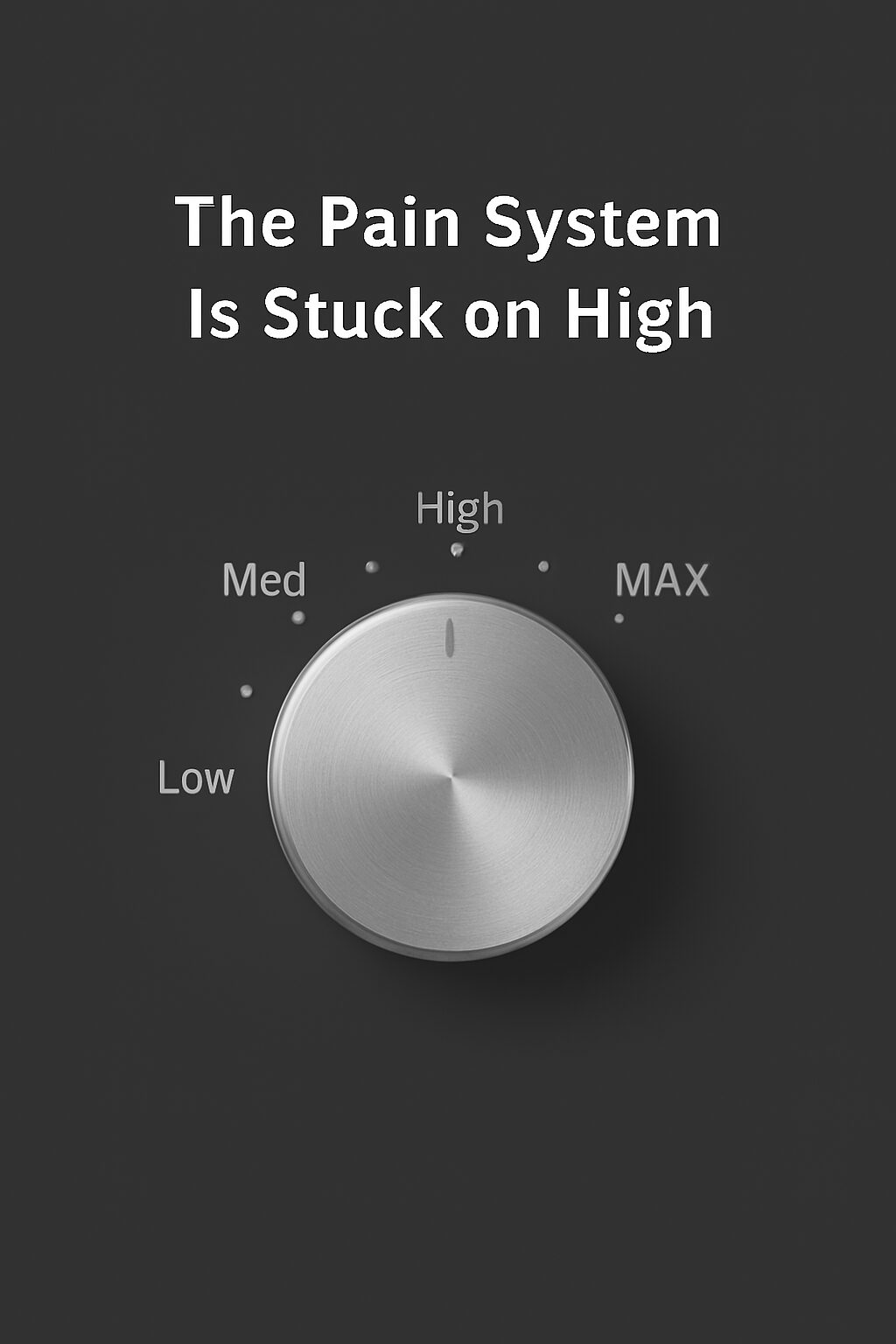
The blood–spinal cord barrier (BSCB) helps keep inflammatory factors out of the central nervous system. Emerging studies suggest that when barrier support molecules (e.g., endoglin) are low, the BSCB can become “leaky.” Inflammatory particles cross into the spinal cord, glial “support” cells release extra glutamate and other signals, and pain circuits become hyper-reactive. In short, PHN isn’t just lingering irritation—it’s a systems shift that can keep pain pathways turned up.
Who Is at Risk for PHN?
Risk rises with age, more severe shingles rashes, and delays in antiviral treatment during the acute phase. Preexisting nerve or immune issues may also contribute.
What About Prevention?
Postherpetic neuralgia is one reason some experts emphasize shingles vaccination. Evidence suggests vaccination lowers the chance of shingles and the subsequent risk of PHN. That said, even with prevention strategies, many people still develop chronic pain after shingles—underscoring the need for better treatments and whole-body approaches.
Why PHN Pain Feels Different
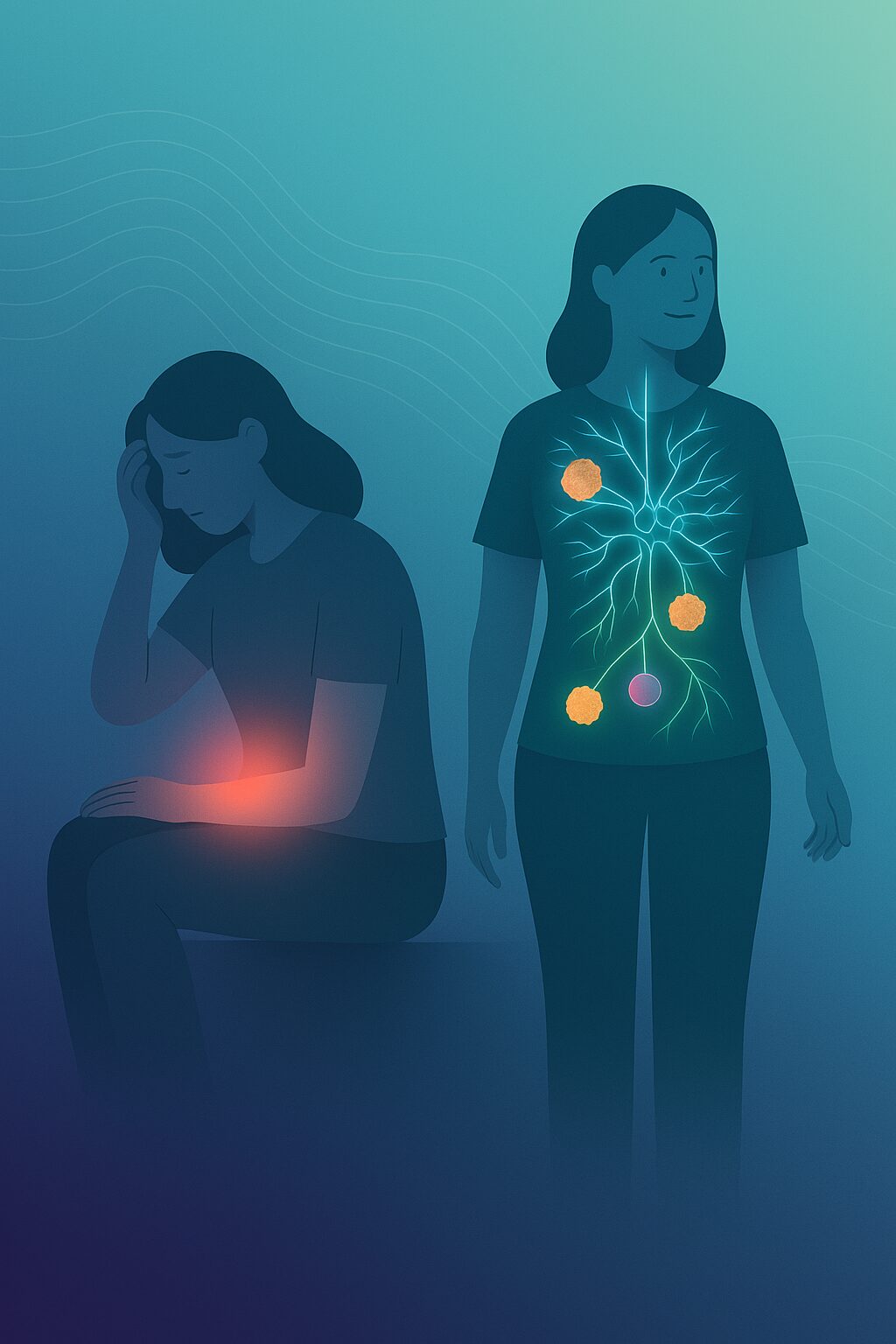
When the BSCB weakens and glial activity rises, the spinal cord and brain can enter a sensitized state. Normal inputs (light touch, mild temperature changes) are amplified into pain. People living with PHN often experience sensations that those without sensitization simply can’t imagine—not because they’re exaggerating, but because the biology of pain processing has changed.
PHN Treatment Options
There’s no single cure, but several approaches can reduce pain and improve function:
-
Medications that calm nerve signaling (e.g., certain anticonvulsants or antidepressants)
-
Topical therapies (e.g., lidocaine, capsaicin) for localized relief
-
Interventional options (e.g., nerve blocks or stimulation) in select cases
-
Lifestyle strategies to support sleep, reduce inflammation, and build resilience
These aim to lower hypersensitivity and interrupt the pain-amplification loop.
A Systems-Based Approach
PHN is more than a local nerve problem. Once protections falter, multiple systems can be affected:
-
Nervous system: amplified signaling and central sensitization
-
Immune system: ongoing inflammatory tone that primes nerves
-
Endocrine system: stress and sleep hormones influencing pain thresholds
-
Energy metabolism: cellular energy can lag, contributing to fatigue
Because several pathways are involved, progress often comes from stacking small, measurable changes—calming the nervous system, supporting immune balance, improving sleep and hormone regulation, and gradually retraining movement and activity.
Can PHN Improve?
Yes. The nervous system is plastic—it can change. While improvement is often gradual, consistent strategies that reduce amplification and restore balance can help the system recalibrate over time.
Conclusion
Postherpetic neuralgia is more than lingering shingles pain. It reflects deeper changes across the nervous system and its protective barriers that amplify signals and sustain discomfort. A systems lens—backed by emerging research—explains why quick fixes often fall short and why comprehensive care can move the needle.
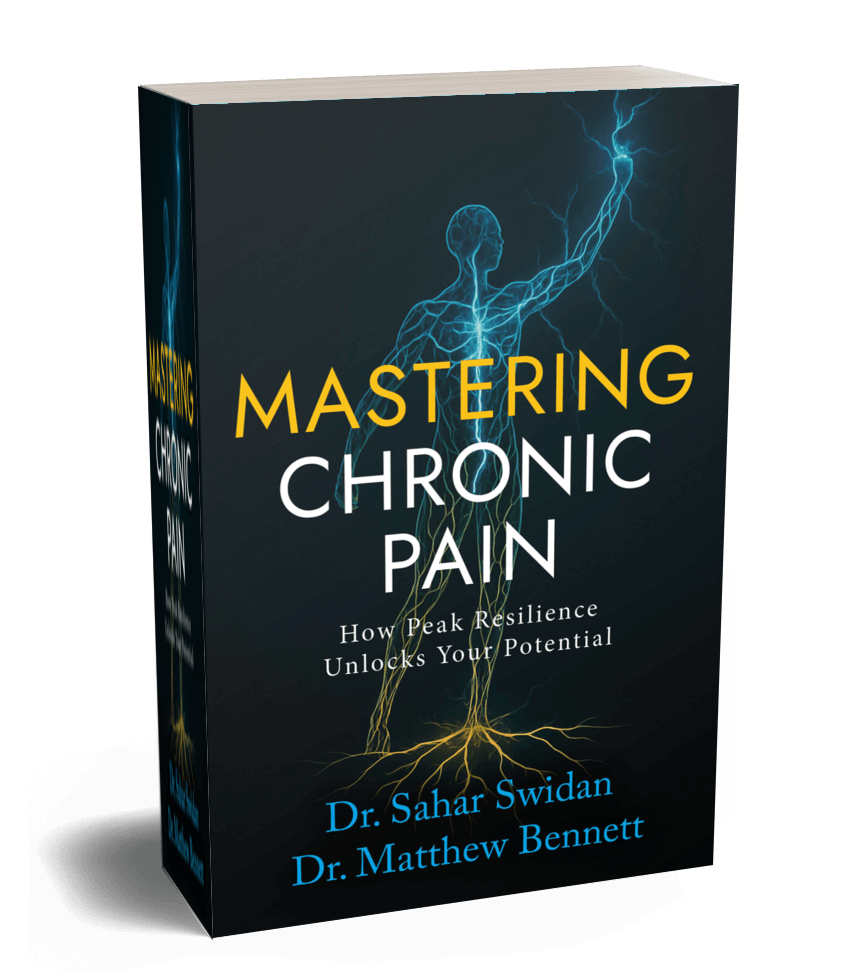
At NoceViva, we help people work with their biology, not against it. That’s why we wrote Mastering Chronic Pain—to make complex pain science practical and hopeful.
📘 Mastering Chronic Pain is available now on Amazon.
Learn more at www.NoceViva.com.
Tale the quiz at www.NoceViva.com/start
This information is for educational purposes only and does not constitute medical advice. Please consult your healthcare provider before making changes to your care.
Frequently Asked Questions About Postherpetic Neuralgia
Q: What is postherpetic neuralgia (PHN)?
A: Postherpetic neuralgia is long-lasting nerve pain that can occur after a shingles infection. It is defined as pain persisting for at least 3 months after the shingles rash has healed.
Q: What does postherpetic neuralgia feel like?
A: PHN pain is often described as burning, stabbing, or electric. Many people also experience extreme sensitivity to touch, itching, or numbness in the affected area.
Q: How long does postherpetic neuralgia last?
A: PHN can last for weeks, months, or even years. The severity and duration vary, and some people gradually improve over time.
Q: What causes postherpetic neuralgia?
A: PHN develops when changes in the nervous system persist after shingles. New research suggests that disruption of the blood–spinal cord barrier and ongoing inflammation may play a key role.
Q: How is postherpetic neuralgia treated?
A: Treatments may include medications that calm nerve activity, topical therapies, lifestyle strategies, and in some cases interventional procedures. Research is ongoing into new non-opioid options.