Table of Contents
Introduction
Vulvodynia is a chronic pain condition that affects the vulva, the external part of the female genital area. For many women, it is a frustrating and isolating experience. They often move from doctor to doctor, hearing that “everything looks normal,” even while the pain persists. This disconnect can leave people feeling dismissed or even told that the problem is “all in their head.” Modern science shows otherwise. Vulvodynia is a real, biological condition involving changes in the nervous system, immune function, and hormone regulation.
What Is Vulvodynia?
Vulvodynia is defined as chronic vulvar pain lasting at least three months without an identifiable cause such as infection or skin disease. Millions of women worldwide are affected, but the condition is frequently underdiagnosed or misunderstood.
There are two main patterns. In some cases, the pain is localized to a specific spot, such as the tissue near the vaginal opening—a form sometimes referred to as vestibulodynia. In others, the discomfort is generalized, spread across the vulva. The pain may be constant, intermittent, or triggered by touch, such as during intercourse, tampon use, or even prolonged sitting.
Symptoms and Impact
Women with vulvodynia often describe their pain as burning, stinging, or raw. Others report throbbing or aching discomfort that can flare unpredictably. For some, even the lightest pressure—like contact with clothing—can be intolerable.
Because these symptoms are invisible during medical examination, the experience can feel invalidating. Yet the effects are far from invisible in daily life. Vulvodynia can disrupt intimacy, interfere with sitting or exercise, and erode confidence and quality of life.
What Causes Vulvodynia?
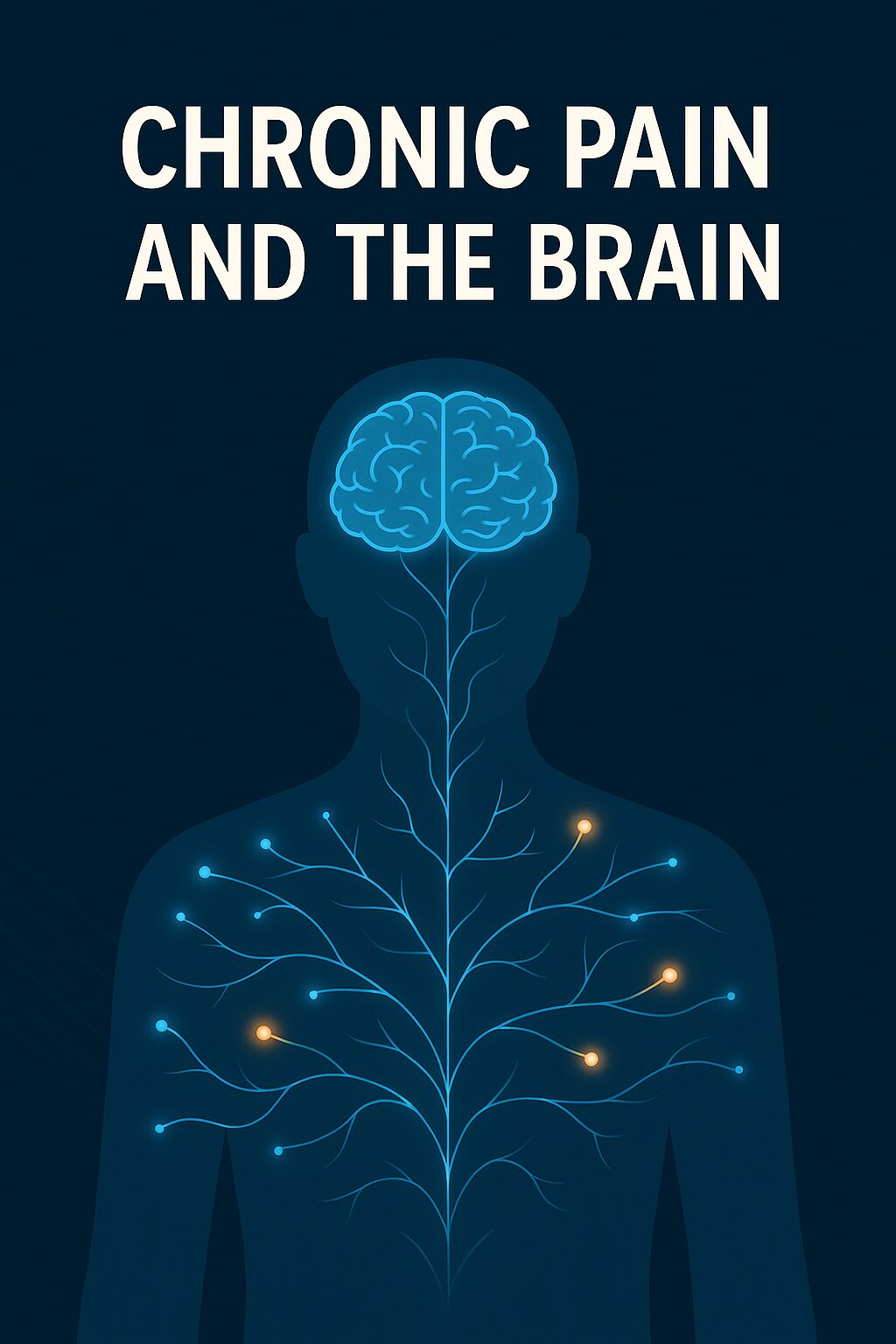
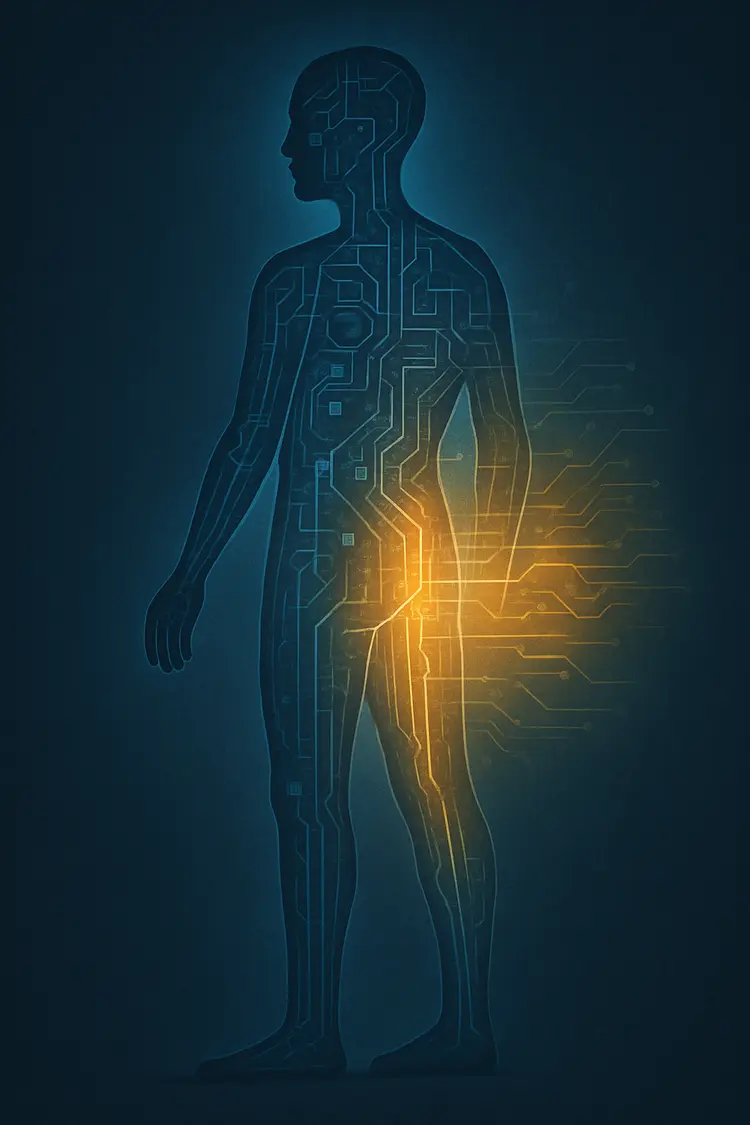
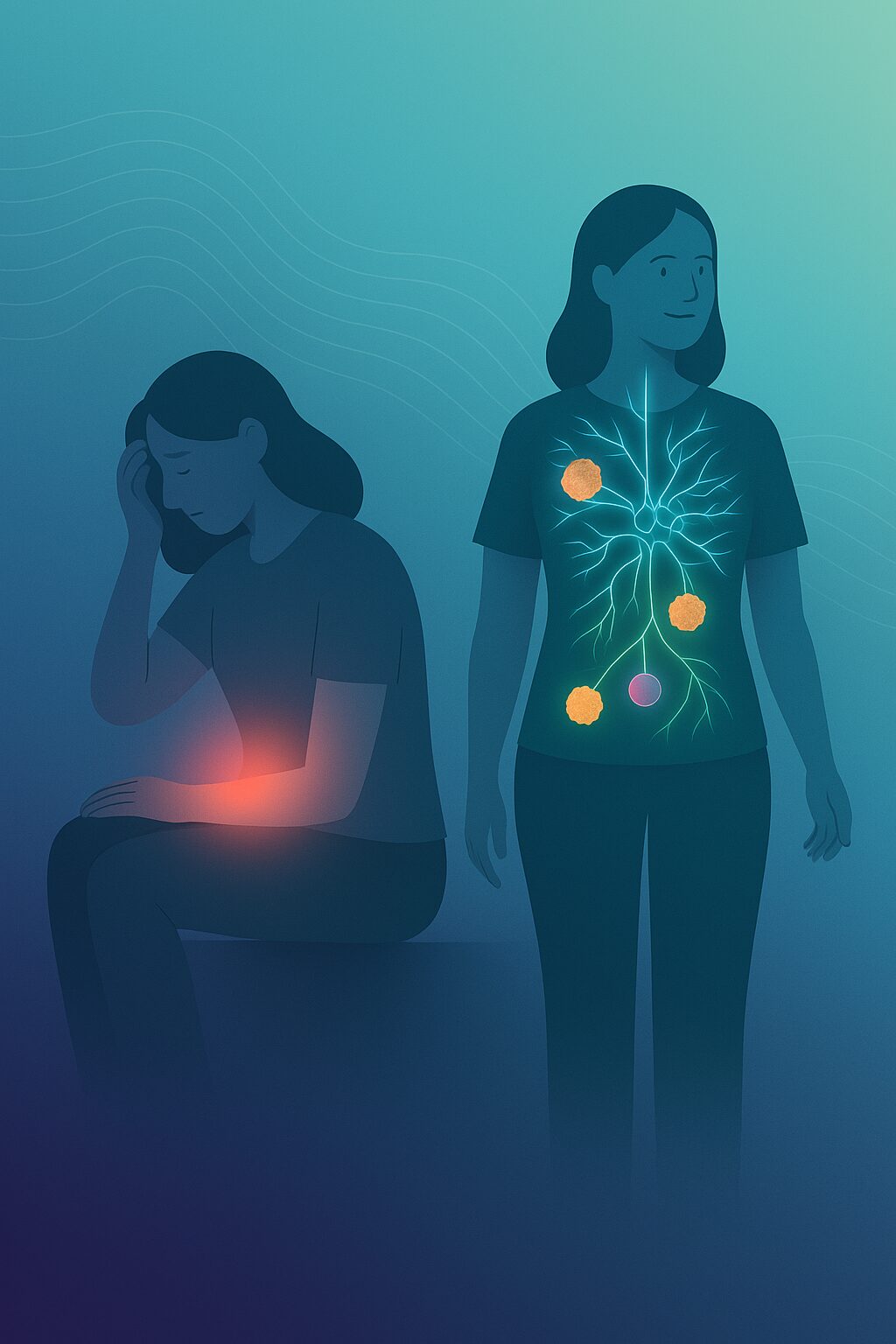
There is no single cause of vulvodynia, but research points to several overlapping mechanisms that interact in complex ways. One of the most important is central sensitization, in which the nervous system becomes hypersensitive, amplifying normal signals into pain. This helps explain why pain can persist even in the absence of visible injury.
The immune system may also play a role, as subtle inflammation can prime nerves in the vulvar region to overreact. Hormonal influences are another factor, since changes in estrogen, progesterone, or cortisol can alter pain thresholds. Researchers have also identified possible genetic markers and cellular changes, such as shifts in mitochondrial function, that may contribute to risk.
Taken together, these insights show that vulvodynia is best understood as a systems-level condition, not a local tissue disorder.
The Role of Central Sensitization
In about one-third of women with vulvodynia, studies have identified signs of central sensitization. This means the spinal cord and brain are not simply relaying pain signals but are amplifying them. As a result, normal inputs—light pressure, warmth, or even the stretch of muscles—are interpreted as painful. This amplification helps explain why vulvodynia pain can spread, why it often resists local treatments, and why it persists even when tissues look normal.
Beyond Pain: Quality of Life
The impact of vulvodynia goes beyond physical discomfort. Intimacy may become fraught or avoided altogether. Work and daily activities may be interrupted by the difficulty of sitting for long periods. Over time, the isolation and repeated invalidation from providers can erode emotional well-being. Recognizing vulvodynia as a legitimate, biological condition is the first step toward restoring dignity and offering effective support.
Treatment Approaches
Because vulvodynia arises from multiple systems, treatment is rarely a single intervention. Pelvic floor physical therapy can help release muscle tension and retrain function. Some women find relief with topical treatments, such as lidocaine, while others respond to oral medications that calm nerve hypersensitivity. Lifestyle strategies, including anti-inflammatory nutrition, sleep optimization, and stress reduction, may reduce systemic contributors to pain.
The most promising results often come from a systems-based approach that targets not only the vulva but also the nervous, immune, and endocrine systems. By stacking small, measurable changes across these networks, the body can gradually move toward balance.
Conclusion
Vulvodynia is real, biological, and treatable. It is not caused by infection or poor hygiene, and it is not simply psychological. Instead, it reflects a complex interplay of nerves, immune activity, and hormonal regulation that can disrupt normal function. With the right understanding and support, many women are able to find meaningful relief and reclaim their lives.
At NoceViva, we are committed to helping people work with their biology, not against it. That is why we wrote Mastering Chronic Pain—to bring modern pain science into practical strategies for healing.
📘 Mastering Chronic Pain is available now on Amazon.
Learn more at www.NoceViva.com.
Take the quiz at www.NoceViva.com/start
This information is for educational purposes only and does not constitute medical advice. Please consult your healthcare provider before making changes to your care.