Table of Contents
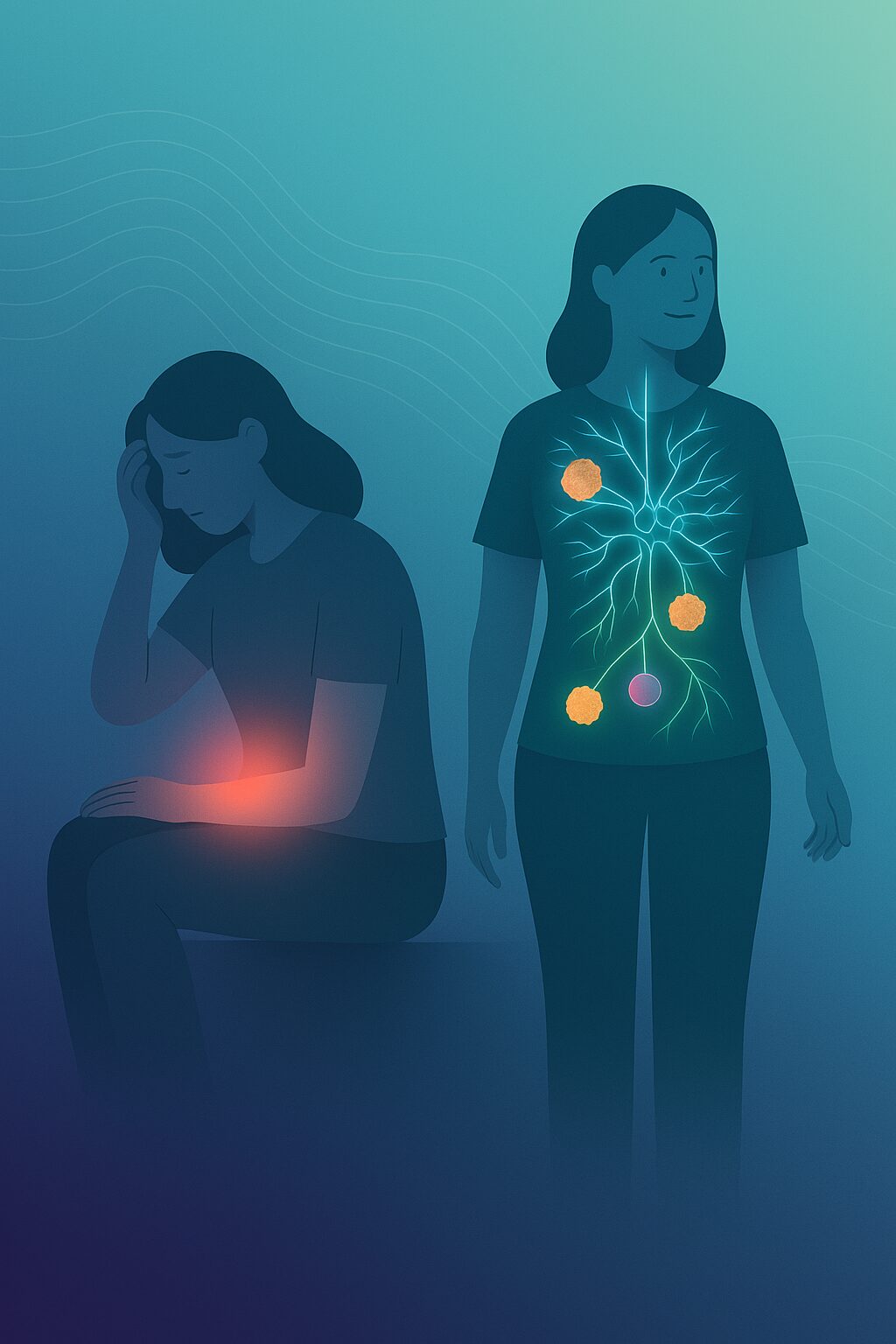
Chronic pain resilience begins with a shift in perspective. Living with chronic pain can feel like your world is shrinking. Work suffers, relationships strain, and even small joys—like cooking, hiking, or laughing with friends—start to feel out of reach. If this sounds familiar, you’re not alone. Over 50 million Americans live with chronic pain, making it the leading cause of long-term disability.
But here’s the hopeful truth: what’s been learned can also be unlearned.
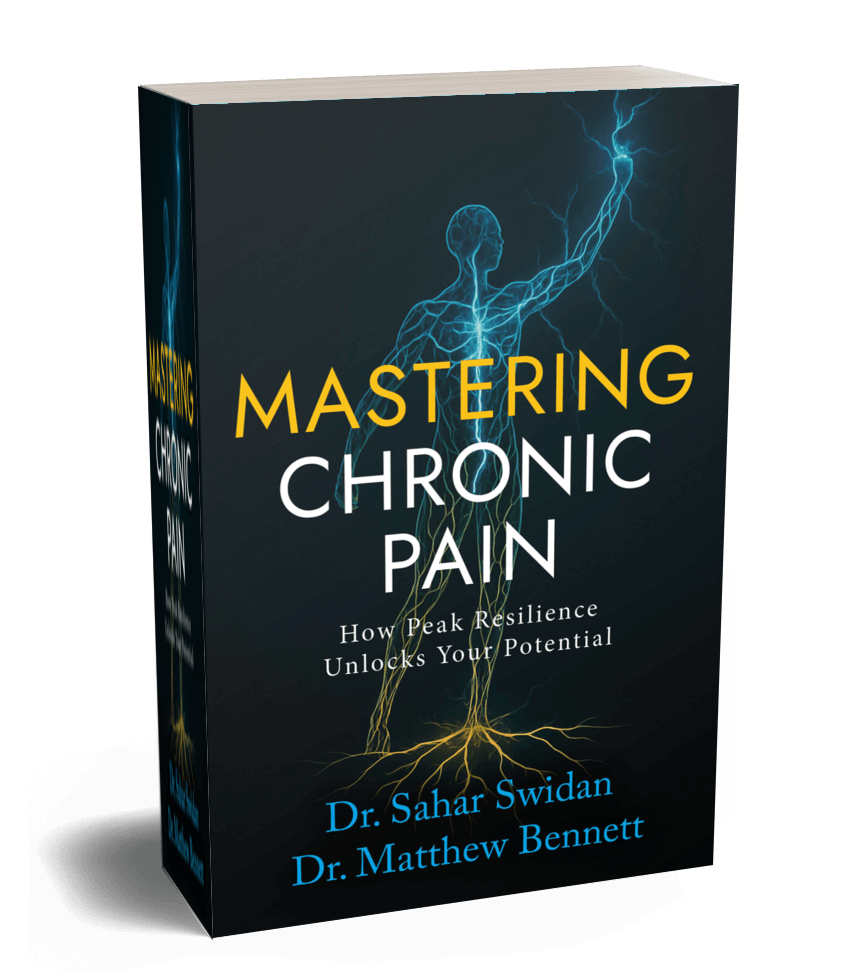
That’s the central idea of Mastering Chronic Pain: How Peak Resilience Unlocks Your Potential by Dr. Matthew Bennett and Dr. Sahar Swidan. Instead of fighting pain head-on, they show how to build chronic pain resilience—a personal blueprint that rewires your nervous system and restores your life.
What Is Chronic Pain Resilience?
Most pain care focuses only on the body: a joint, a nerve, or an injury. But chronic pain is more complex. It’s a biopsychosocial condition, meaning it’s shaped by:
-
Biological factors – Nervous system hypersensitivity, chronic inflammation, hormonal imbalances.
-
Psychological factors – Stress, fear, and catastrophic thinking that reinforce pain loops.
-
Social factors – Isolation, loneliness, and loss of identity .
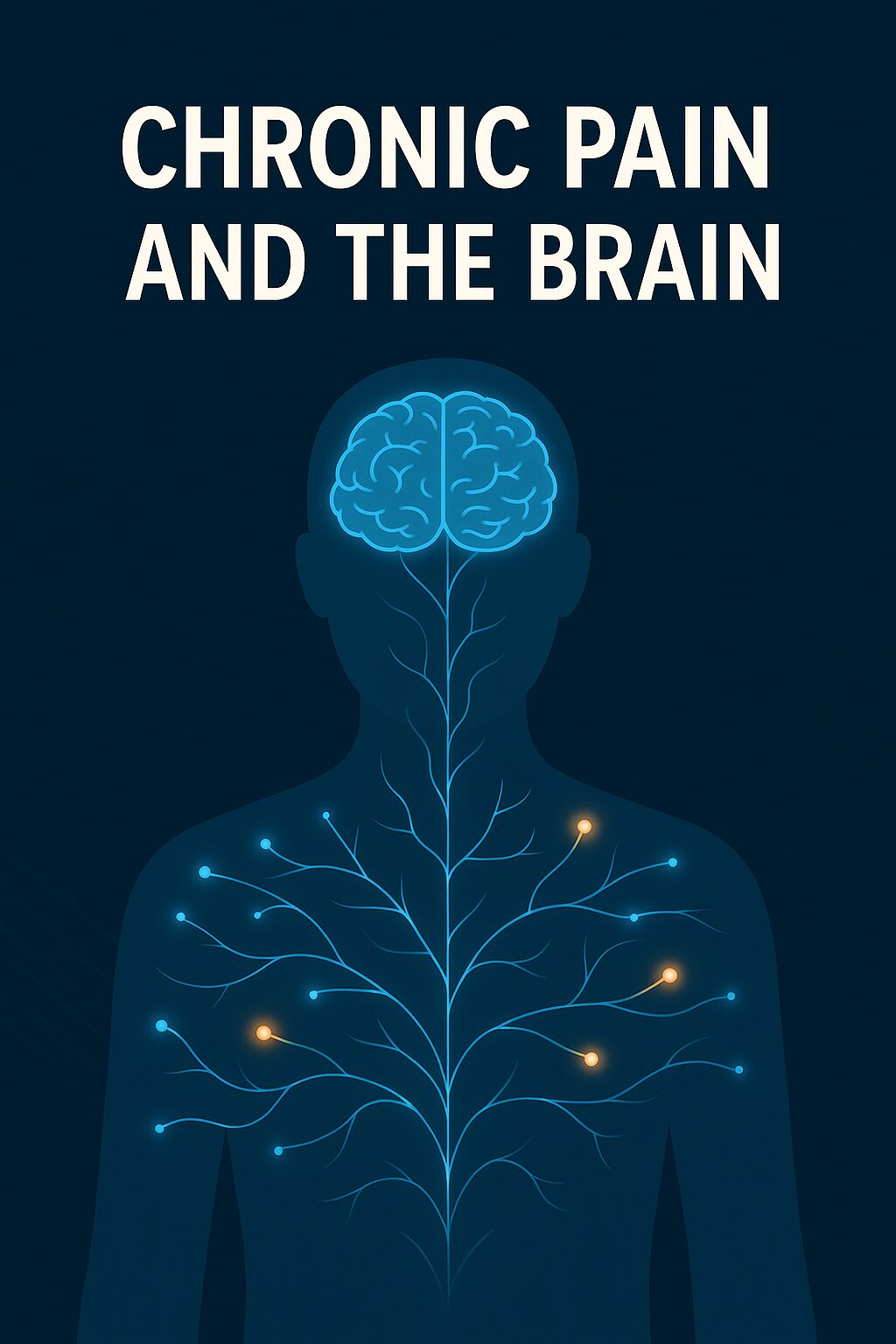
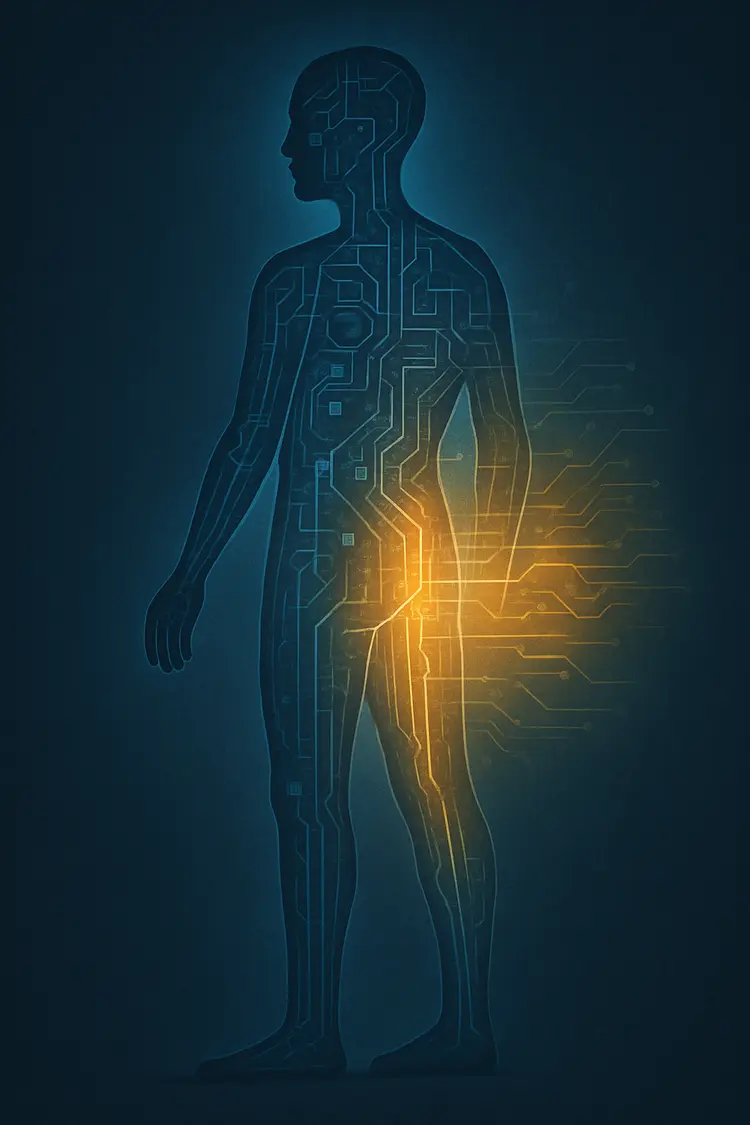
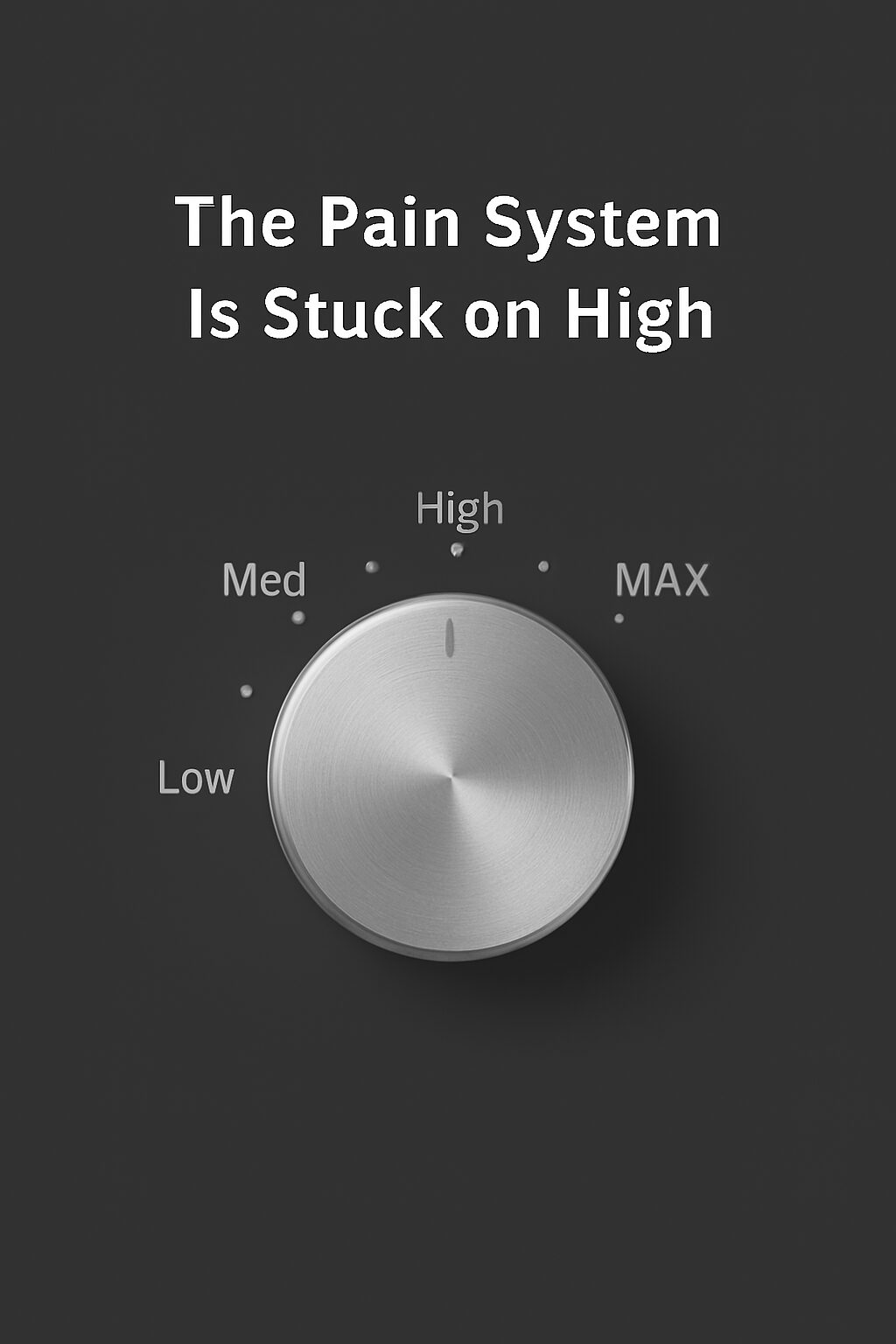
This is why chronic pain feels relentless even after an injury heals. Pain literally rewires the brain, keeping the body in “high alert” mode.
Resilience means reversing that process—step by step—so your brain and body can return to balance.
Why Traditional Pain Treatments Fall Short
If you’ve tried painkillers, injections, or even surgeries, you already know: relief often doesn’t last.
-
Medication provides temporary relief but doesn’t stop the nervous system from amplifying pain.
-
Surgery can fix structural issues but won’t always change how the brain processes pain.
-
Therapies in isolation (physical therapy, acupuncture, diet changes) may help, but rarely solve the whole picture.
As Dr. Bennett and Dr. Swidan explain, attacking pain directly is like “pressing harder on the gas in a car stuck in mud.” The wheels spin, but you stay stuck .
The Resilience Code: A Blueprint for Healing
Instead of chasing a “cure,” Bennett and Swidan teach how to create a Resilience Code—a personalized plan for rewiring pain. The goal isn’t to erase pain overnight, but to steadily retrain your nervous system and reclaim your life.
Here’s how it works:
Strengthen Biological Resilience
-
Calm the nervous system with breathwork, gentle movement, and better sleep.
-
Eat an anti-inflammatory diet (leafy greens, berries, omega-3-rich fish).
-
Prioritize restorative practices like tai chi, yoga, or walking in nature.
Build Psychological Resilience
-
Use mindfulness to retrain the brain’s response to pain.
-
Challenge catastrophic thoughts (“I’ll never get better”) with reframing techniques.
-
Practice self-compassion—small wins count.
Restore Social Resilience
-
Reach out to one supportive friend or family member.
-
Join a chronic pain support group (online or local).
-
Reconnect with meaningful activities—even in small ways.
For some, the journey begins with just five minutes of daily deep breathing. For others, it starts with texting an old friend. Over time, these small steps grow into powerful habits that help loosen pain’s grip .
The Science of Why Resilience Works
Chronic pain isn’t just “in your head.” It changes your biology. Resilience practices help reverse these effects by:
-
Calming the nervous system stuck in fight-or-flight mode.
-
Balancing stress hormones like cortisol and adrenaline.
-
Reducing inflammation, lowering pain sensitivity.
-
Rebuilding energy at the cellular level.
-
Strengthening social bonds, releasing oxytocin—the “healing hormone.”
This is why resilience isn’t about “pushing through.” It’s about creating a biological and psychological environment where healing can finally begin.
Key Takeaways for Living with Chronic Pain
-
Chronic pain affects 50 million Americans—more than cancer, diabetes, and heart disease combined.
-
Pain is a biopsychosocial condition, not just a physical symptom.
-
Building chronic pain resilience through biology, psychology, and social connection helps rewire pain pathways.
-
Healing isn’t about quick fixes—it’s about small, intentional steps that reclaim your identity and joy.
Why Chronic Pain Resilience Matters Now
With long-COVID, rising workplace burnout, and the opioid crisis, resilience is more urgent than ever. Chronic pain isn’t just a medical problem—it’s a public health and workplace epidemic.
But the message from Mastering Chronic Pain is clear:
Pain may be part of your story, but it doesn’t have to define it.
Ready to Learn More?
Discover how resilience can transform your healing journey in Mastering Chronic Pain: How Peak Resilience Unlocks Your Potential (insert Amazon or publisher link).
Disclaimer
This article is for educational purposes only and is not a substitute for professional medical advice. Everyone’s experience of pain is unique. Always consult a qualified healthcare provider before making changes to your treatment, medications, or lifestyle.