Table of Contents
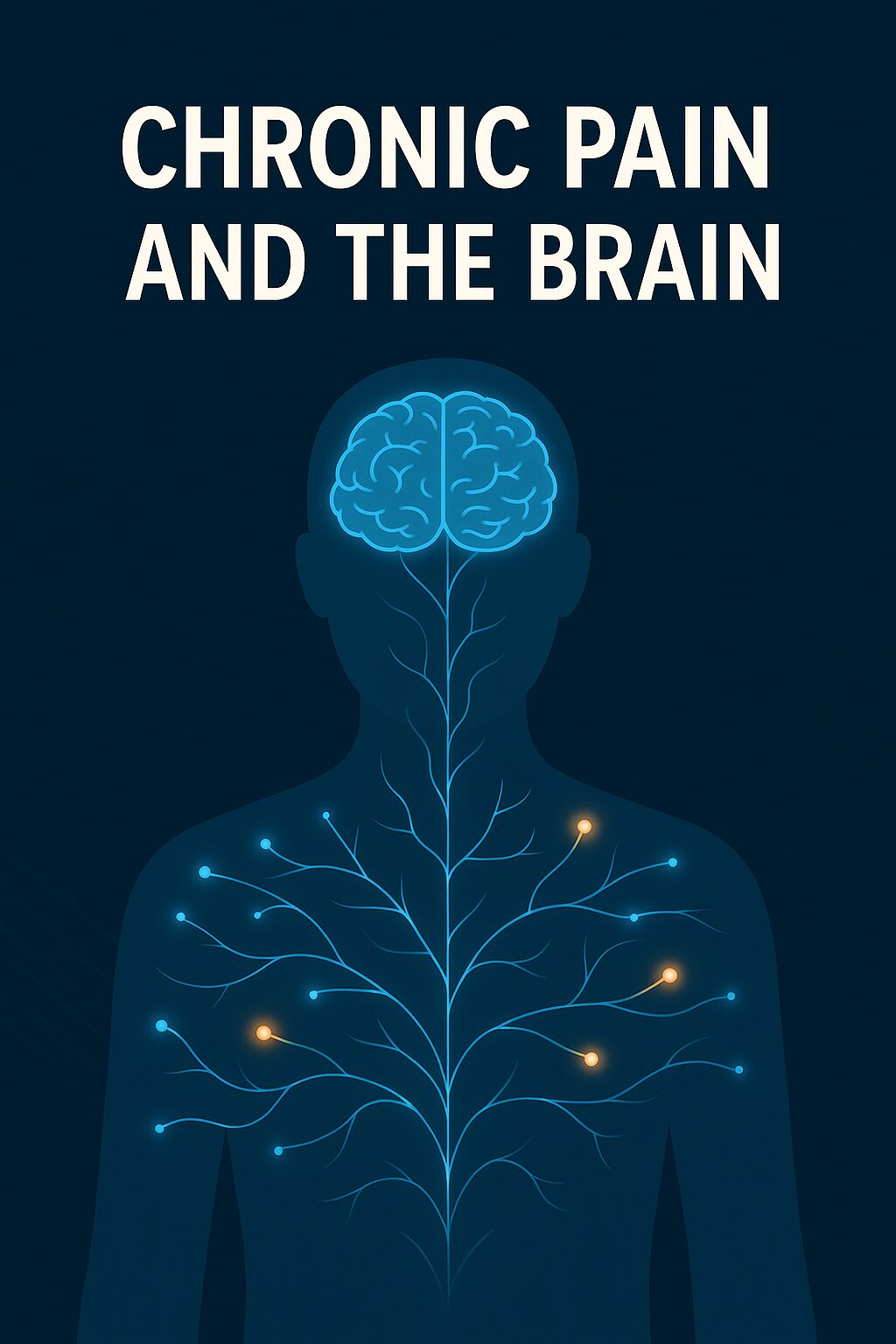
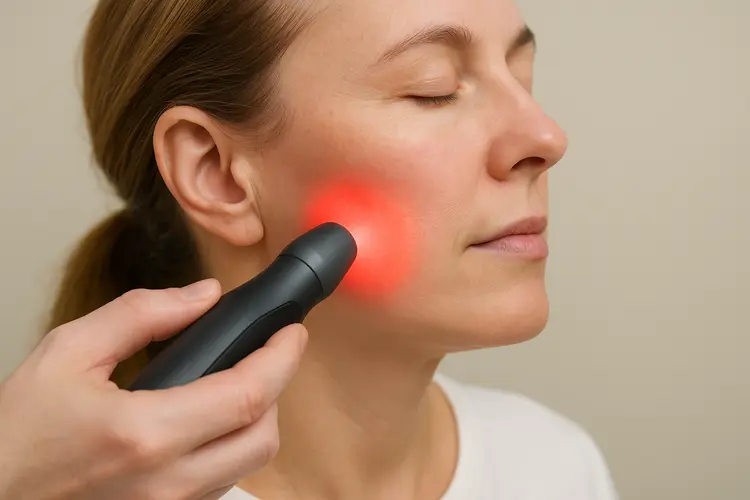
Something remarkable is happening at the cellular level. A breakthrough study reveals that photobiomodulation therapy using red and infrared light therapy can simultaneously reduce both the brain’s pain amplification system and the psychological spiral that makes chronic pain worse.
We’re witnessing a fundamental shift in how pain treatment works.
Published in the Journal of Oral Rehabilitation, this double-blind randomized controlled trial focused on women with chronic jaw pain. The researchers measured two critical markers: temporal summation (how your nervous system amplifies pain signals) and pain catastrophizing (the mental patterns that make pain feel overwhelming).
Both improved with light therapy. Both.
The Cellular Revolution
Traditional pain treatment focuses on blocking or removing painful inputs. Take stronger medications. Cut the nerve. Remove the tissue.
Photobiomodulation therapy works differently.
The research suggests multiple mechanisms happening simultaneously: reduced muscle spasms, decreased inflammation through lowered PGE2 levels, enhanced endogenous opioid production, and suppressed nerve conduction in both myelinated and unmyelinated pain fibers.
These cellular modifications impact how nervous system impulses spread. They affect two parts of the central nervous system that we previously considered unrelated.
The implications extend far beyond jaw pain.
Beyond Single Targets
Most current interventions tackle pain components separately. Medications for the biological aspects. Therapy for the psychological components. Physical treatment for the mechanical issues.
We need interventions that address multiple pathways simultaneously.
Temporal summation serves as an objective marker for central sensitization. When your nervous system amplifies pain signals beyond what the tissue damage warrants, this measurement captures that dysfunction.
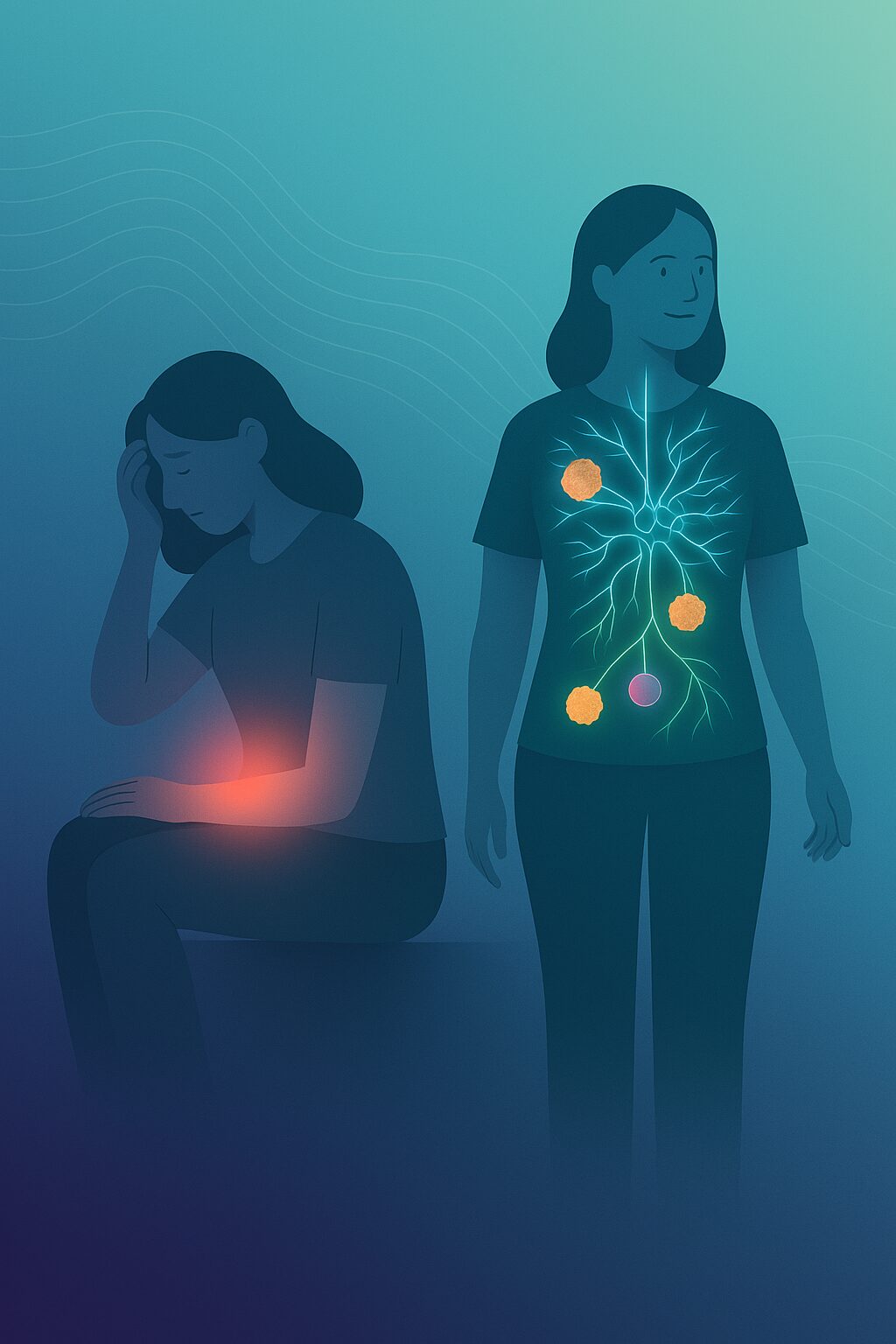
Pain catastrophizing represents the psychological amplification. The fear, helplessness, and rumination that transform physical discomfort into overwhelming suffering.
Finding a single intervention that modifies both represents a paradigm shift.
The Systems Biology Advantage
The future of pain medicine must combine biological, psychological, and social interventions. All of these impact the systems biology of the human being.
Central sensitization doesn’t just affect jaw disorders. Research shows it plays a role in multiple conditions including fibromyalgia, osteoarthritis, headaches, and neuropathic pain.
When we find treatments that address central sensitization mechanisms, we open possibilities for broader applications.
Photobiomodulation therapy offers another crucial advantage: no tolerance development has been reported. Unlike pharmaceutical interventions that often lose effectiveness over time, light therapy maintains its benefits.
Precision Over Protocol
The study’s focus on women with temporomandibular disorders wasn’t arbitrary. This population shows high symptom burden of central sensitization syndrome, with emotional distress mediating the experience.
This specificity matters for personalized approaches.
We reject one-size-fits-all medicine. Every person experiencing chronic pain deserves a personalized path informed by science, metabolic insights, and lived experience.
The research methodology strengthens our confidence. Double-blind randomized controlled design. Objective psychophysical testing rather than subjective reporting alone. Rigorous measurement of neurophysiological changes.
This represents evidence-informed innovation, not wellness trends.
Building Resilience
Healing isn’t just about reducing pain. It’s about rebuilding capacity.
When we target both the biological amplification of pain signals and the psychological patterns that maintain suffering, we address the whole system. We help restore not just comfort, but function, clarity, and purpose.
The biopsychosocial model provides our framework. Biology, psychology, and social factors all influence pain processing. Interventions that acknowledge this complexity offer the greatest potential for lasting change.
Your pain is real. Your body’s ability to change is also real.
Research like this photobiomodulation study shows us what becomes possible when we treat chronic pain at its root rather than just managing symptoms. When we address the systems biology of the human being rather than isolated components.
The future of pain care lies in this integration. Science and compassion. Precision and personalization. Innovation that serves the whole person.
Order “Mastering Chronic Pain” and begin building your resilience code. Your journey toward renewed vitality starts with understanding how healing actually works.
This post is entirely a general opinion or information. It does not constitute a medical judgment, a clinical recommendation, a professional diagnosis, or a medical services of any kind. Nothing in this post creates a provider-patient relationship. Always seek the advice of a qualified health care provider for patient specific guidance.