Table of Contents
This article discusses post-laminectomy syndrome scar tissue for educational purposes only. It is not a substitute for professional medical advice.
Introduction
If you’ve had spine surgery and your pain didn’t go away — or it came back months later — you are not alone. Doctors sometimes call this post-laminectomy syndrome or failed back surgery syndrome (FBSS). One of the most common explanations patients hear is: “Your pain is from scar tissue pressing on the nerves.”
That answer can feel discouraging, as if scar tissue is permanent and nothing can be done. But the truth is more hopeful. While scar tissue (also called epidural fibrosis) is nearly universal after surgery, it’s not the full story behind ongoing pain.
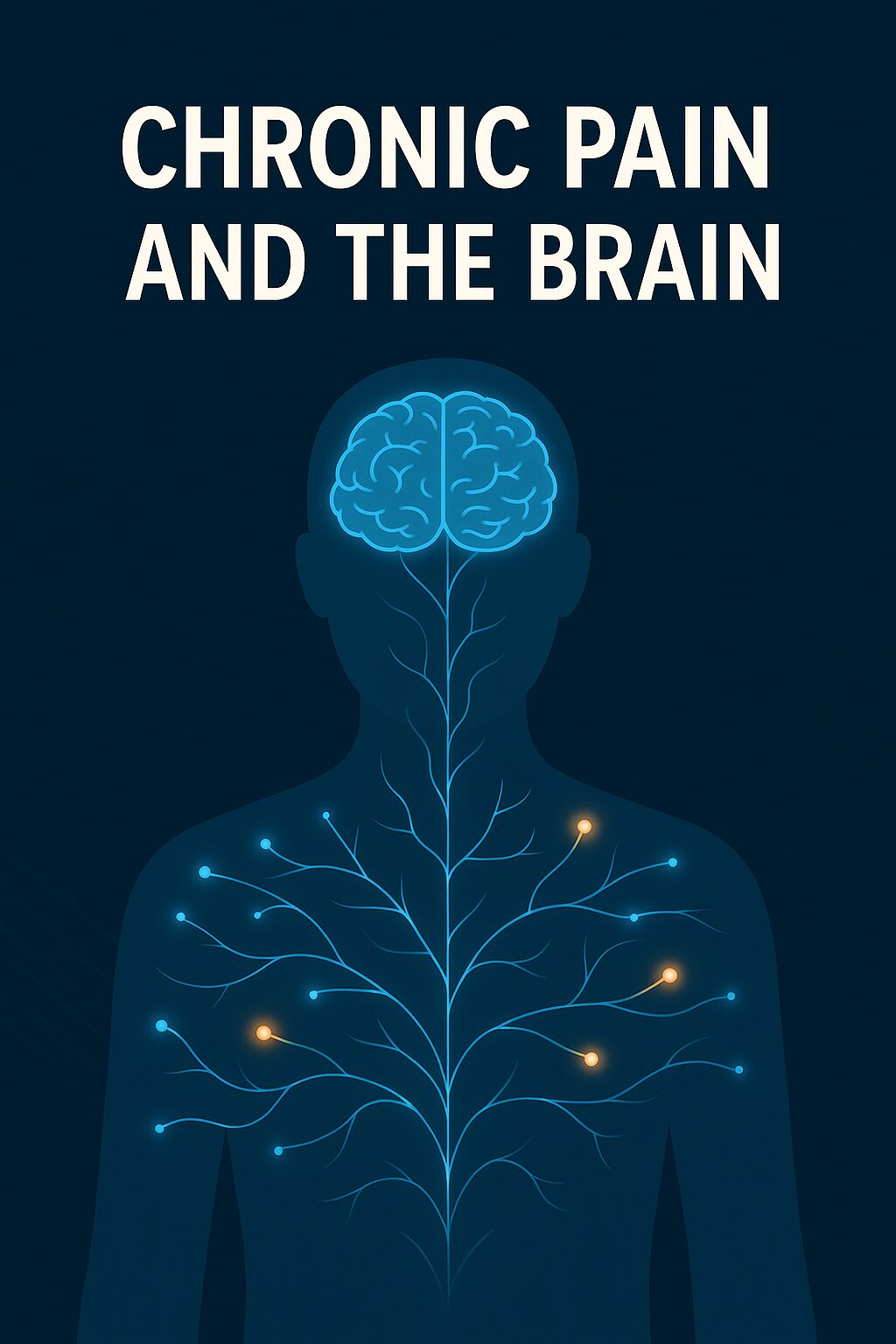
Modern research shows that post-laminectomy pain is more often about inflammation, nerve sensitivity, blood flow, and nervous system imbalance than about scar tissue itself. That means there are multiple ways to address the problem — both with traditional medical care and with new strategies that support resilience.
At NoceViva, our mission is to help people understand the science of pain, support the care they receive from their doctors, and build resilience so they can live with more confidence and vitality.
What Is Post-Laminectomy Syndrome?
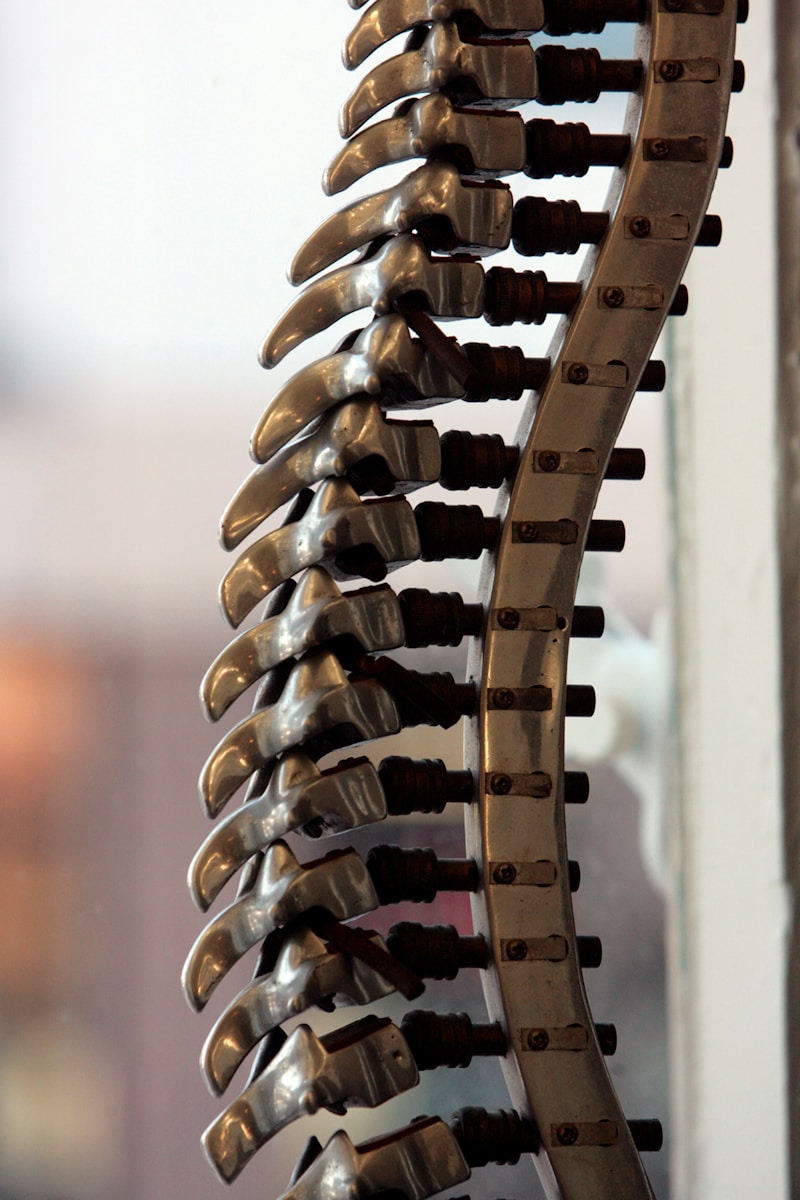
A laminectomy is a type of back surgery where a surgeon removes part of the vertebra called the lamina to make more space for the nerves. For many, this surgery provides significant relief. But for some, pain continues after the operation or returns later.
Symptoms may include:
- Ongoing back pain
- Shooting pain down the leg (sciatica)
- Tingling, burning, or numbness
- Muscle weakness
Studies suggest that anywhere from 10% to 40% of patients may experience persistent pain after spine surgery.
Post-Laminectomy Syndrome and Scar Tissue After Back Surgery
Why Scar Tissue Forms
Scar tissue is part of the body’s natural healing process. Just as a cut on your skin forms a scar, the spine forms scar tissue where surgery was performed. This process, called epidural fibrosis, happens in almost everyone after a laminectomy.
Why Scar Tissue Isn’t Always Painful
Here’s the key: research shows scar tissue is often a red herring. Many people with visible scar tissue on MRI have no pain at all, while others with very little scar continue to hurt. Surgeries that attempt to remove scar tissue often don’t bring lasting relief.
In other words, scar tissue is common — but it’s not the whole story.
What Really Drives Post-Surgical Pain
Scientists now understand that post-laminectomy pain involves deeper changes in the nerves and nervous system:
- Nerve root inflammation: Nerves can stay irritated even after decompression.
- Blood–nerve barrier changes: Surgery may make nerves more sensitive to signals in the bloodstream.
- Blood flow and congestion: Nerve roots rely on fragile circulation that can be disrupted.
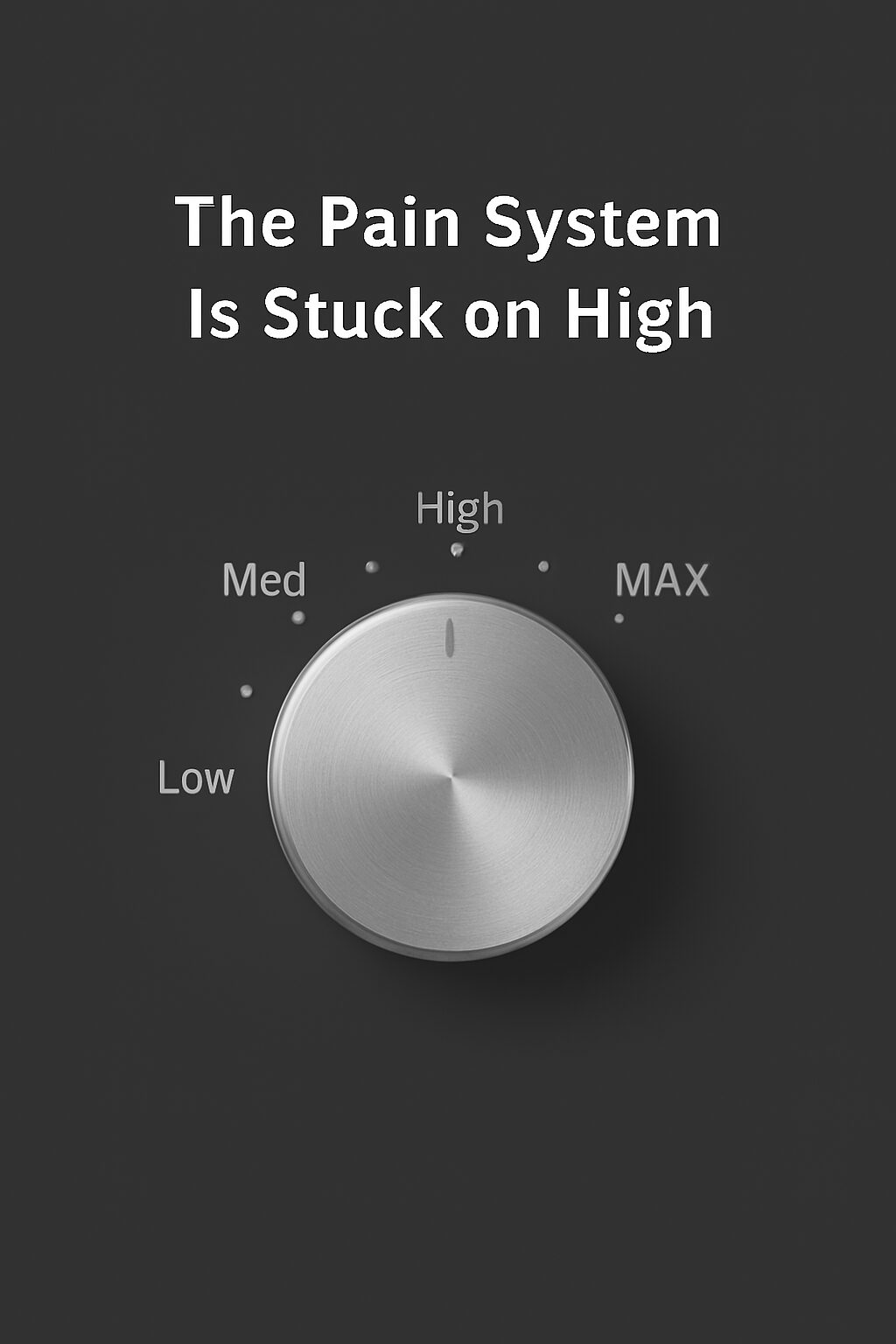
- Central sensitization: Over time, the spinal cord and brain can stay “on high alert,” amplifying pain signals.
These drivers explain why pain doesn’t always match what’s seen on scans.
Modern Treatment Strategies: Beyond Scar Tissue
Many patients are told their pain is due to post-laminectomy syndrome scar tissue, but research shows the story is more complex. When patients are told “it’s just scar tissue,” they may feel like options are limited. In reality, there are multiple avenues being explored. The best approach usually combines traditional care with resilience strategies that support the body’s own healing systems.
1. Inflammation
- The problem: Ongoing inflammation around nerves and in the spinal cord can keep pain pathways switched on.
- Current care: Doctors often prescribe steroids, NSAIDs, or other medications to calm inflammation.
- Exploratory approaches: Researchers are examining non-pharmaceutical methods that may help reduce inflammatory signaling in the blood and nervous system — such as nutritional compounds, immune-modulating techniques, and lifestyle practices that promote the body’s natural resolution of inflammation.
2. Metabolic Health
- The problem: Nerves need steady energy to function and repair. When mitochondria (the “power plants” of cells) are stressed, they can leak signals that worsen inflammation and pain.
- Current care: Patients are often guided toward managing blood sugar, cholesterol, and overall metabolic risk factors.
- Exploratory approaches: Some strategies being studied aim to improve mitochondrial efficiency, reduce oxidative stress, and support metabolic flexibility — giving nerve cells the energy they need to heal.
3. Autonomic Nervous System (Fight-or-Flight vs Rest-and-Repair)
- The problem: Surgery and chronic pain can push the body into sympathetic overdrive (“fight-or-flight”). This narrows blood vessels, raises inflammation, and keeps the nervous system hypersensitive.
- Current care: Medications for nerve pain, sleep, or anxiety may help settle the system.
- Exploratory approaches: Devices and techniques are being investigated that aim to relax the sympathetic nervous system and strengthen the parasympathetic “rest-and-repair” response — helping the body return to a calmer baseline.
4. Movement & Rehabilitation
- The problem: After surgery, stabilizing muscles like the multifidus often weaken, and nerves may lose their ability to glide freely. This creates stiffness and reinforces pain.
- Current care: Physical therapy is the standard prescription and remains essential.
- Exploratory approaches: Some rehabilitation methods focus on retraining deep spinal muscles, restoring safe nerve mobility through nerve glides, and using breathing or posture techniques to reduce threat signals while building confidence in movement.
What You Can Do If You’ve Been Told It’s “Scar Tissue”
If you’ve heard that scar tissue is the cause of your pain, here are some steps to keep in mind:
- Remember: Scar tissue is normal — nearly everyone forms it after surgery.
- Ask broader questions: Could nerve inflammation, blood flow, or nervous system sensitivity be part of the picture?
- Explore beyond surgery: Medications, injections, and physical therapy are valuable — but researchers are also studying non-pharmaceutical strategies that may complement traditional care.
- Focus on resilience: Nutrition, stress management, movement retraining, and nervous system balance all create conditions for healing.
- Partner with your care team: Combining traditional and emerging approaches offers the most hope.
Conclusion
Many patients are told their pain is due to post-laminectomy syndrome scar tissue, but research shows the story is more complex. Scar tissue is easy to see on imaging, but it’s rarely the whole story. Pain is more often driven by inflammation, metabolic stress, and nervous system imbalance.
The hopeful news is that these processes can be influenced. With a combination of traditional medical care and resilience strategies — from calming inflammation to retraining movement and restoring balance — there are more paths forward than most patients are told.
At NoceViva, we believe recovery is possible. By focusing on resilience and supporting the body’s natural healing systems, patients can reclaim confidence and move toward a better future.
“Want to learn more about retraining your system and unlocking resilience? [Explore our book and resources here].”
Disclaimer: This content is for general educational purposes only. It does not constitute medical advice, diagnosis, or treatment. Mention of research directions does not imply FDA approval or established clinical effectiveness. Always seek the advice of your physician or other qualified provider with any questions about your health.